
Ashes of the Singularity II Economy Guide
Durantium, Elerite and Quanta explained: extractors, refineries, region Power and the economic opening that beats a bigger army.
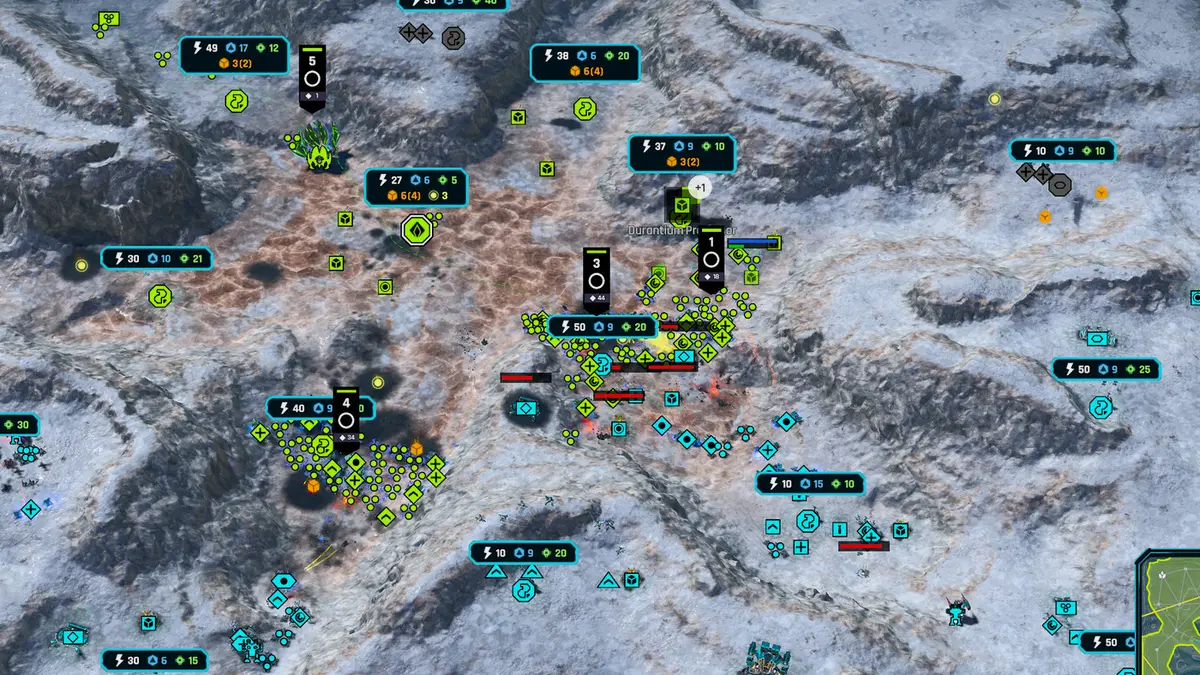
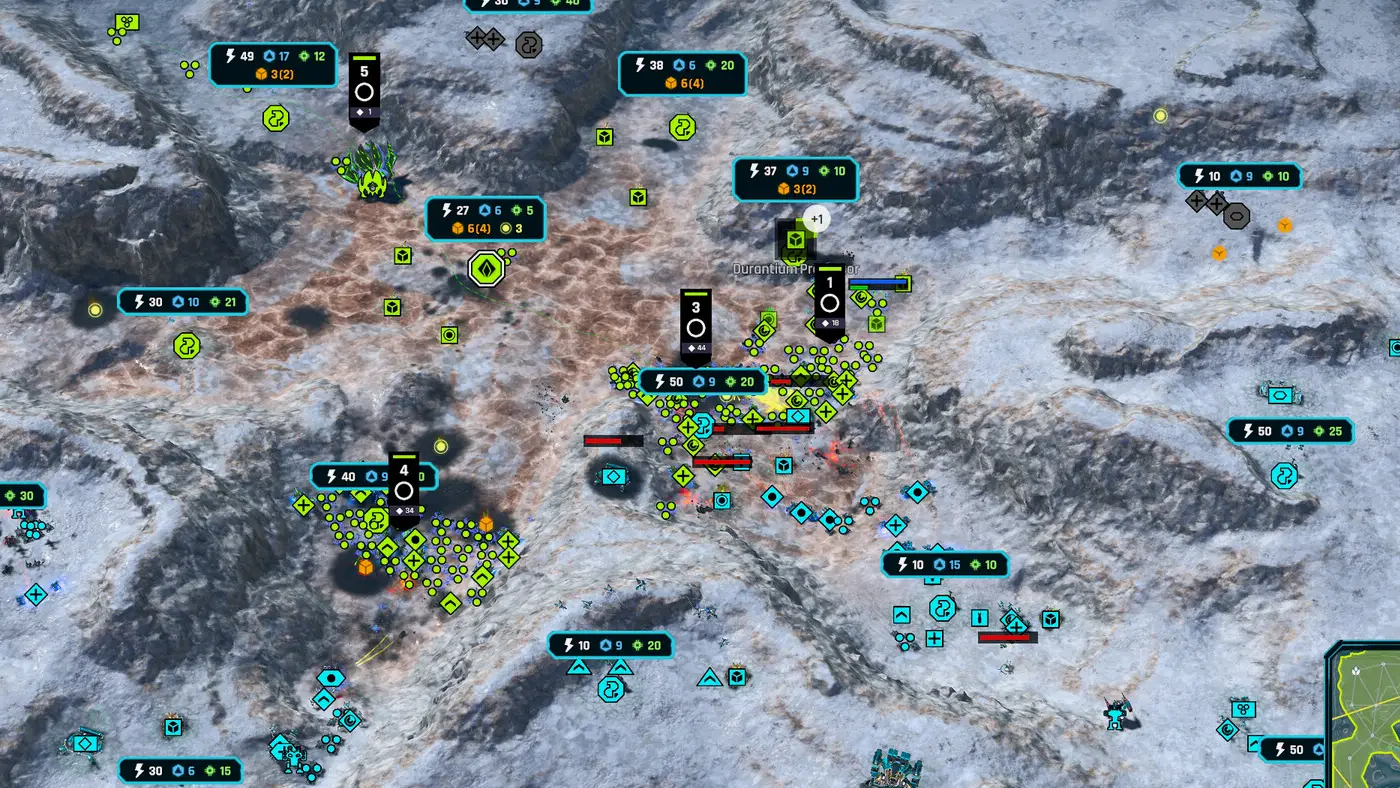
The economy in Ashes of the Singularity II is region-based. You do not build a single perfect base; you take territory, extract from it and multiply the output with the right buildings. Players who treat it like a base-building game lose to players who treat it like a map-control game.
This guide covers the three resources, the buildings that matter and the order in which to take the map.
This guide reflects the November 10, 2026 launch build. Re-check key numbers after each patch.
The three resources
Durantium is the basic construction resource. It pays for infantry, vehicles, buildings and extractors. It is the resource you need most in the first five minutes.
Elerite is the advanced resource. It pays for aircraft, heavy vehicles, research and upgrades. Running out of Elerite in the mid-game is the most common economic failure because players spend it on units and then cannot afford the research that unlocks better units.
Quanta is the research currency. It unlocks technology tiers and is generated by research infrastructure and region control. You cannot buy units with Quanta, but you cannot build the best units without it.
CGMagazine's review compares the three to food, gold and research in a fantasy RTS. The comparison is useful: Durantium is the thing you always need, Elerite is the thing you should not waste, Quanta is the thing that compounds.
Extractors and refineries
Extractors are built directly on resource nodes. They are cheap and they are the foundation of your income. Build them before production, every time.
Refineries multiply the output of the region they are placed in. The exact multiplier depends on the region and the building tier, but the principle is simple: put the refinery in the region with the most extractors, not in your starting region out of habit.
The official region resources blog makes two points worth repeating:
- Owning a region gives you its base resources even before you build anything.
- The central regions are richer and more contested. Taking one is a risk, but it is the risk that wins games.
Power and Logistics
Every region has a Power budget. You can place multiple buildings in a region, but the total Power draw cannot exceed the region's supply. If you hit the cap, you cannot add production, research or defenses until you take another region or build the structure that provides Power.
Logistics is the army-side equivalent. It caps how many units you can field. A 10-logistics super unit consumes a large fraction of a typical army, which is why super units are as much an economic decision as a combat one.
The practical rule: if your production is idle, you are at a Power cap. If your army is capped, you need Logistics, not more units.
The opening build
A repeatable economic opening for any faction:
- Extractor on the nearest Durantium node.
- Extractor on the nearest Elerite node.
- One production building.
- Second extractor pair.
- Supply Depot or the faction equivalent.
- Refinery in the richest owned region.
- Research Lab.
This is not a rigid build order. It is a priority list. If you are being rushed, swap step 3 and step 4 and build a turret after the first production building. If the map is large and quiet, take a third region before the refinery.
When to expand
Expand when one of these is true:
- Your production is capped by Power.
- Your army is capped by Logistics.
- Your extractors are all built and your income is still rising.
- The enemy is passive and you have a spare army.
Do not expand when your army is dead, your base is under attack or you have no anti-air. A new region is a liability if you cannot defend it.
Spending priorities
In the mid-game, the order of spending is:
- Replace losses.
- Finish the current research tier.
- Add production in a new region.
- Upgrade units that will survive.
- Super units.
The launch community reports a "refinery spam" strategy that makes the game significantly easier: build more refineries than feels reasonable, then convert the income into a larger army. That is a symptom of the economy being the dominant variable, not a bug. If you are learning, copying that pattern is a legitimate way to see how the game plays when you are not starved.
Economy versus Turinium
There are two ways to win: destroy the enemy or hold the Turinium generators long enough to win on points. Both require income. A Turinium strategy needs a defensive army and map control around the generators; a destruction strategy needs a mobile army and production sniping.
The economy guide for a Turinium game is different in one respect: you care more about holding contested central regions and less about deep expansion. The Turinium victory page covers the details.
For the next step, read Ashes of the Singularity II Beginner Guide: First 20 Minutes→.
FAQ
What should I build first? An extractor on the nearest Durantium node, then an Elerite extractor, then production.
Is Elerite or Durantium more important? Durantium in the first five minutes, Elerite from the mid-game onward.
How many refineries should I build? Enough to keep production running. If you are floating resources, build more production; if you are starved, build more refineries.
Sources
Official source: Region resources developer blog ↗
Keep reading
Related Guides
Ashes of the Singularity II Beginner Guide: First 20 Minutes
A practical opening for Ashes of the Singularity II: first build, region capture, Power and Logistics, army control and the mistakes that lose games.
Ashes of the Singularity II Turinium Victory Explained
How the Turinium win condition works in Ashes of the Singularity II, how to hold generators and how to stop an opponent who is ticking toward victory.
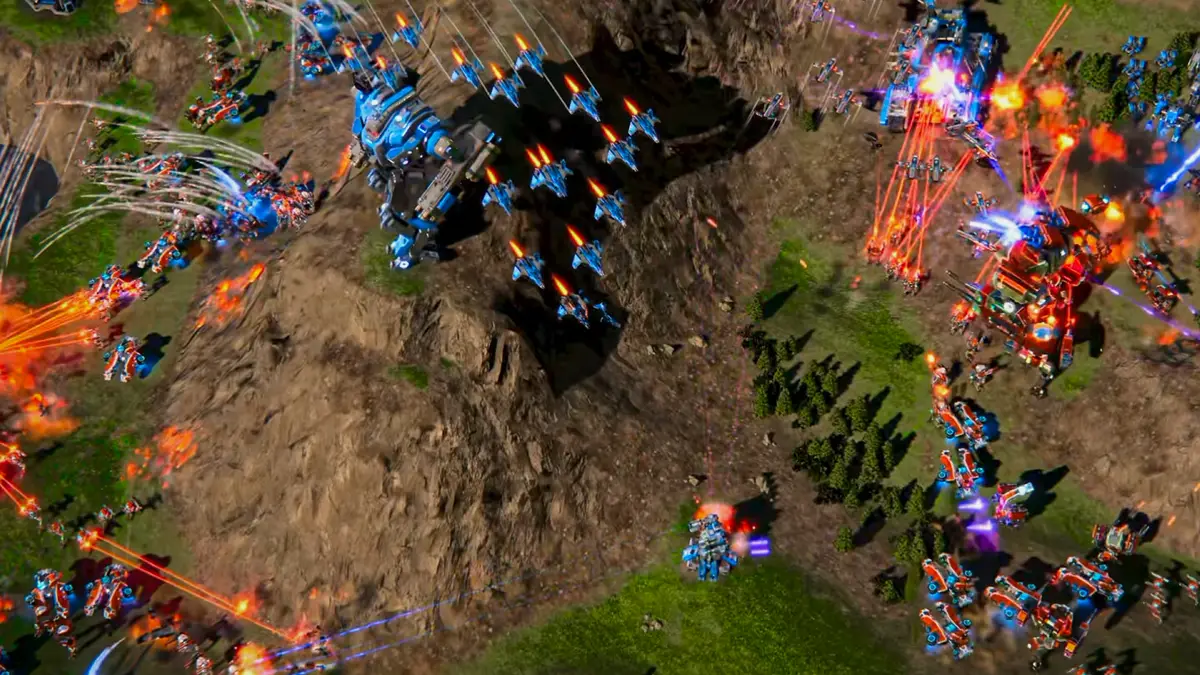
Ashes of the Singularity II UEF Build Order
A safe UEF opening for Ashes of the Singularity II: extractors, Barracks, Motor Pool, Armory and the first Titan M-7 timing.
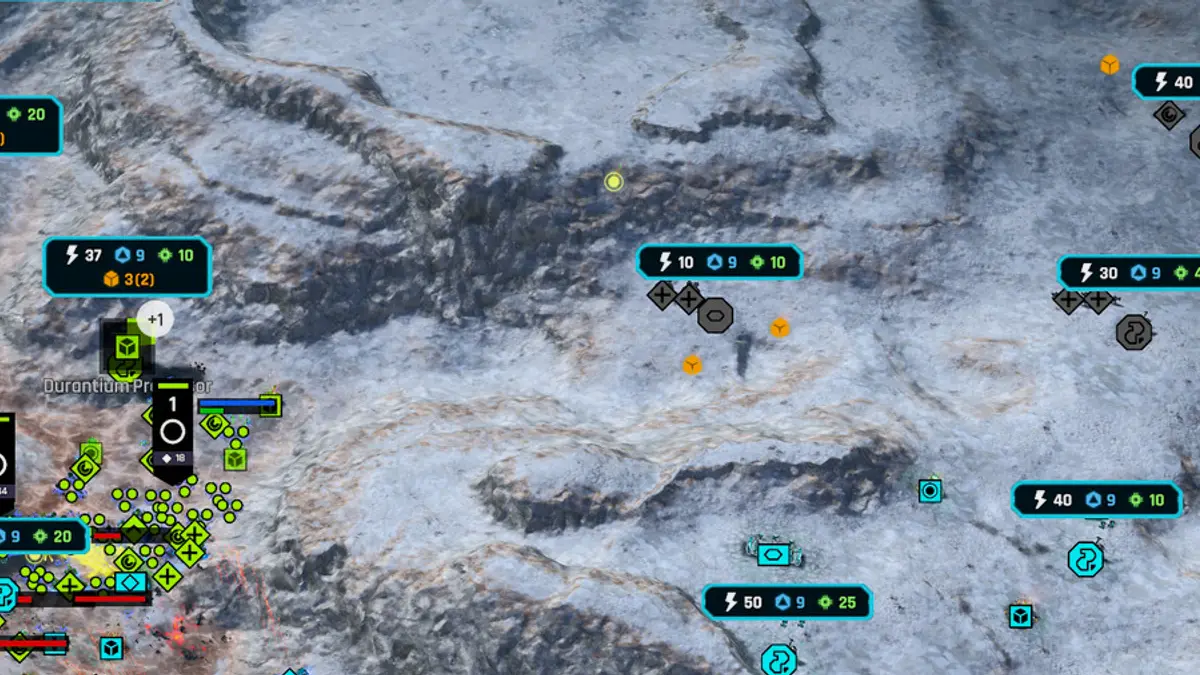
Ashes of the Singularity II Maps Guide
The launch maps of Ashes of the Singularity II, from the small snow map Twin Lakes to the canyon map Scorched Divide, and how each shape changes your build.

Ashes of the Singularity II Achievements Guide
The confirmed achievement data for Ashes of the Singularity II, the fastest completion routes and why 30 of the 35 achievements are rare.
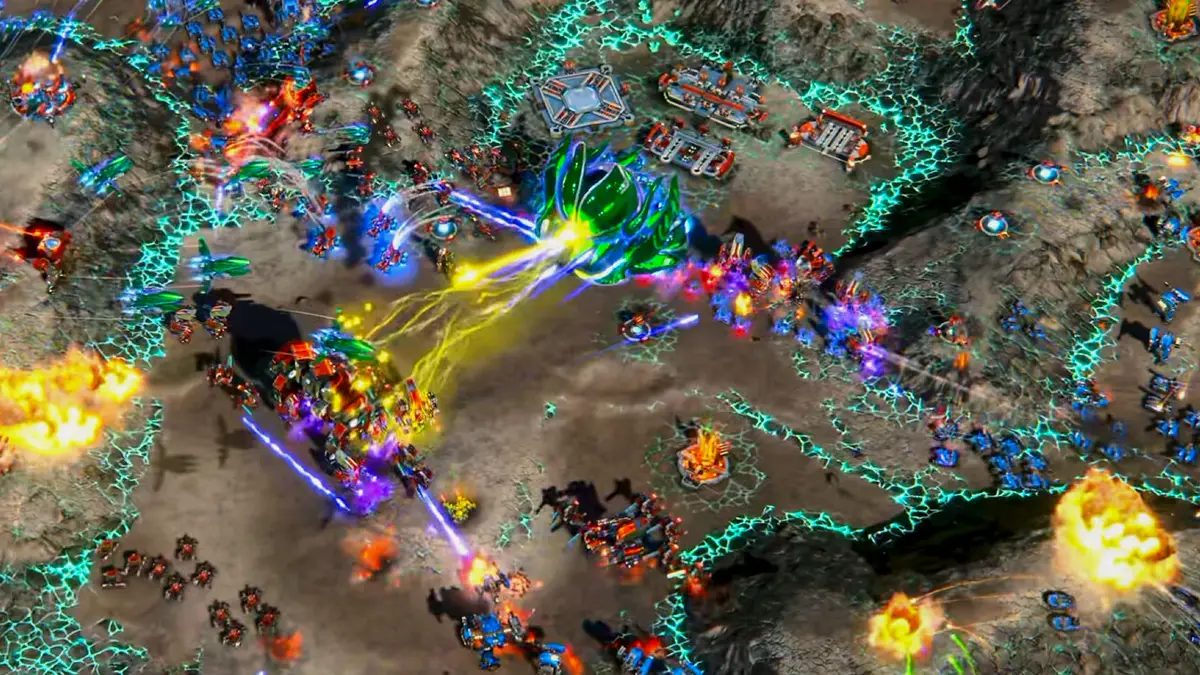
Ashes of the Singularity II Ashfall Caldera Map Guide
How to play Ashfall Caldera in Ashes of the Singularity II: the trench chokepoints, the best factions and the openings that survive the funnel.
More Ashes of the Singularity II Guides
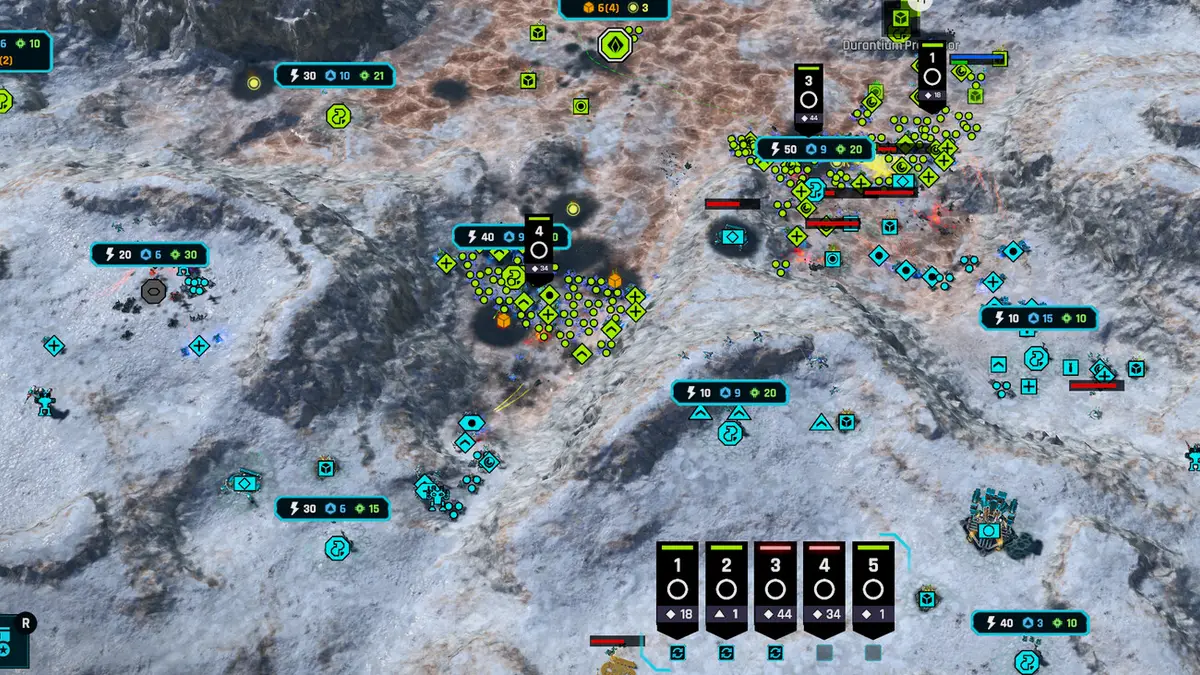
Ashes of the Singularity II Best Settings for Performance
A practical settings guide for Ashes of the Singularity II: resolution, presets, shadows, VSync and the Windows tweaks that help a CPU-bound RTS.

Ashes of the Singularity II Best Units Tier List
A launch tier list for Ashes of the Singularity II: the best units by role, the traps to avoid and the super units worth their logistics.
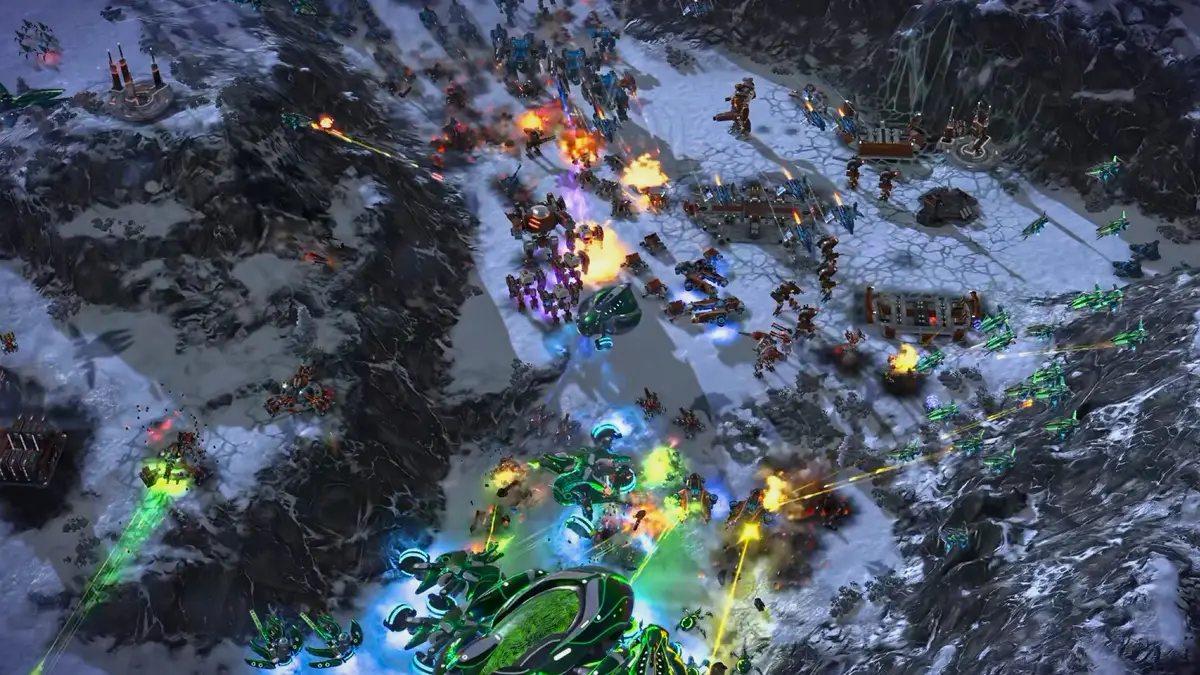
Ashes of the Singularity II Campaign Walkthrough
A spoiler-light walkthrough for the 10-mission Ashes of the Singularity II campaign: mission pacing, difficulty spikes, achievements and army tips.
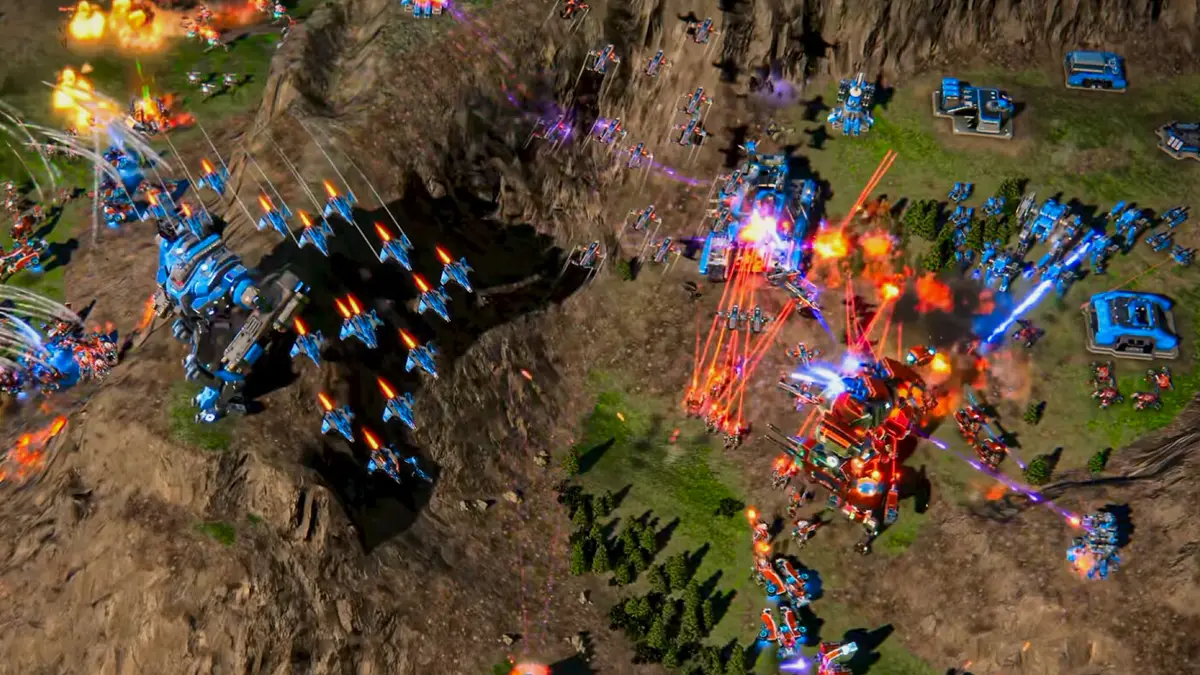
Ashes of the Singularity II Factions Guide
How UEF, PHC and Substrate actually differ in Ashes of the Singularity II: rosters, economy, defense, air and which faction to pick first.
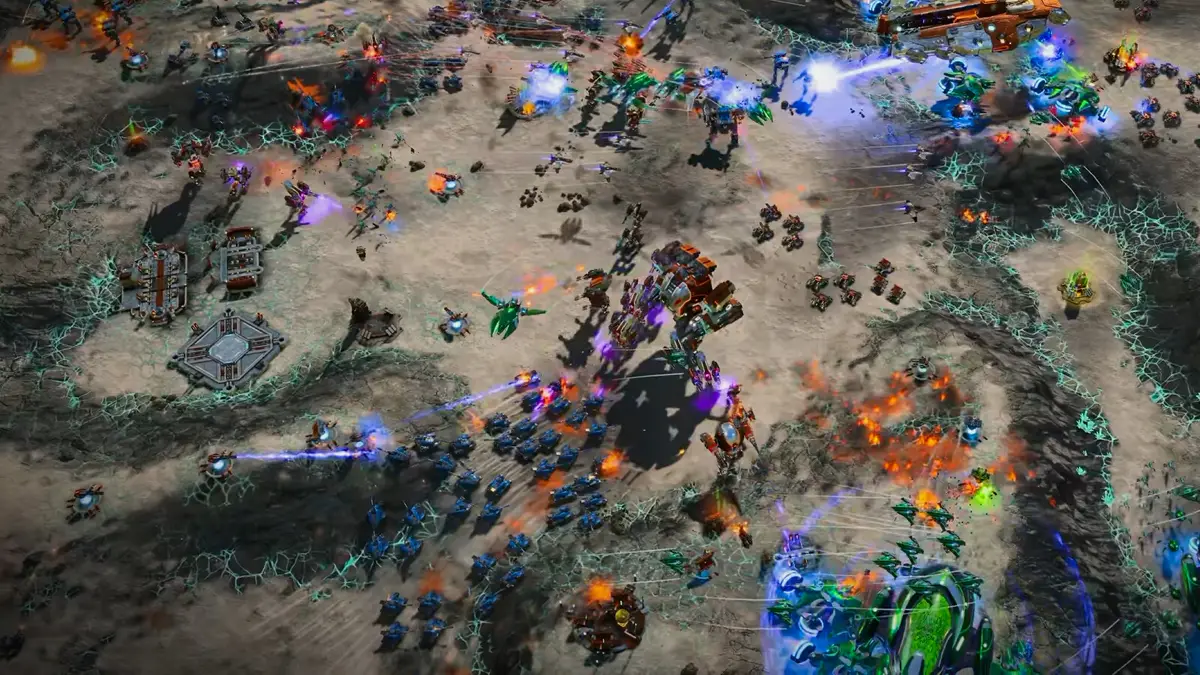
Ashes of the Singularity II Multiplayer Guide
Multiplayer in Ashes of the Singularity II: army composition, scouting, team roles, the 100-unit army cap and the launch balance issues to know.
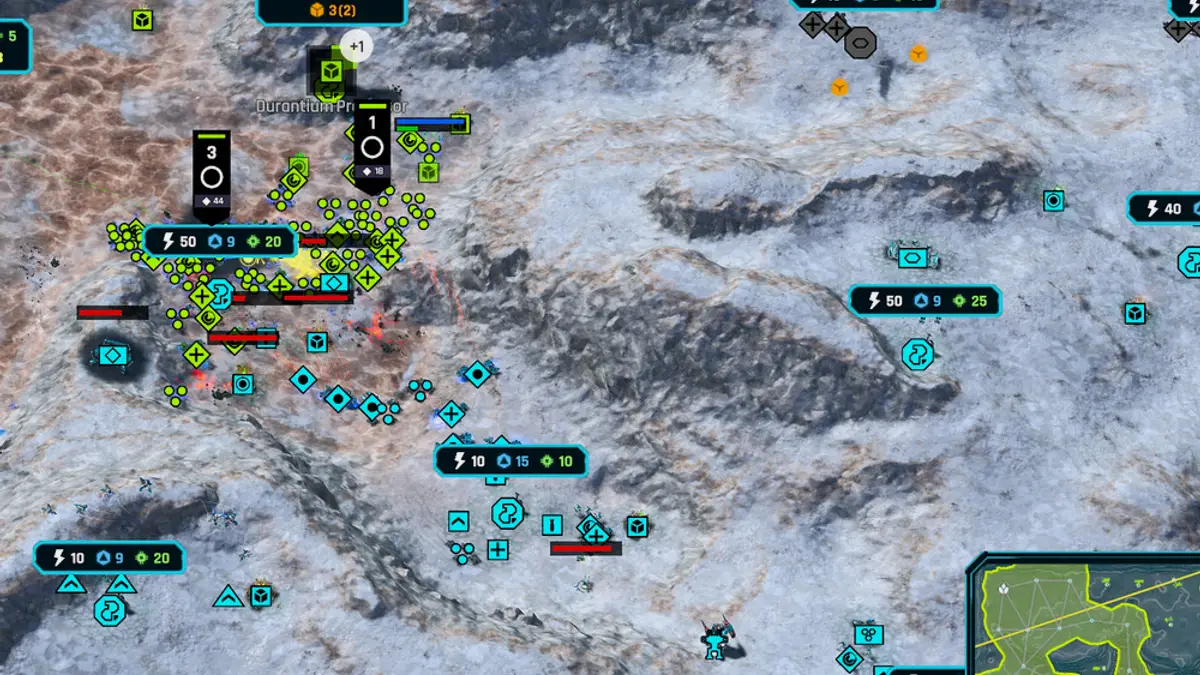
Ashes of the Singularity II Performance Guide
Why Ashes of the Singularity II drops frames in big battles, what the benchmarks show and the settings changes that actually help.
Ashes of the Singularity II PHC Build Order
A Post-Human Coalition opening for Ashes of the Singularity II: Factory units, the Forge transition and the first Champion timing.
Ashes of the Singularity II PHC Units and Stats
All 20 Post-Human Coalition units in Ashes of the Singularity II: stats, costs, aircraft, commanders and the upgrade path to Hyperion.