
Ashes of the Singularity II vs the 2016 Original
What changed between the 2016 Ashes of the Singularity and the 2026 sequel: factions, scale, campaign, economy and the features that carried over.
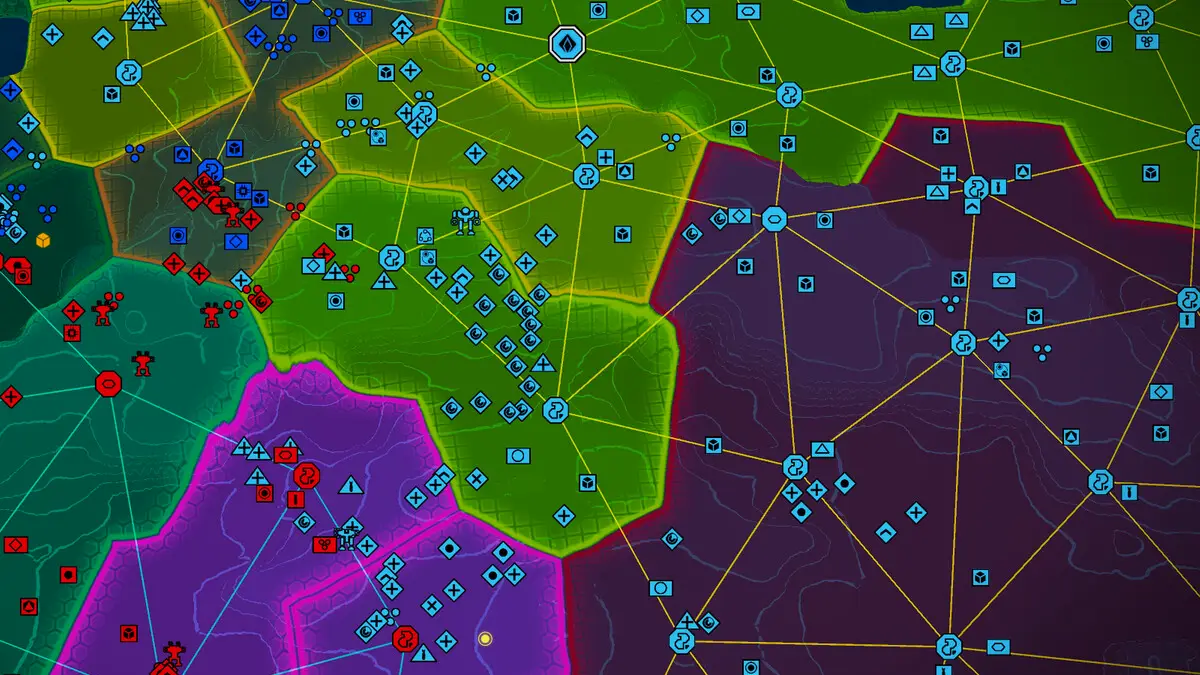
Ashes of the Singularity II is a sequel to a 2016 RTS that was built around one idea: enormous armies on a continental map. Ten years later, the sequel returns to the same universe, the same three-faction structure and the same Turinium win condition, but changes almost everything around them.
This comparison covers what carried over, what changed and whether the sequel is a better entry point.
This guide reflects the November 10, 2026 launch build. Re-check key numbers after each patch.
What carried over
The three factions. UEF, PHC and Substrate return. The identities are the same: UEF is the human numbers faction, PHC is the post-human quality faction and Substrate is the shielded machine faction.
Turinium victory. The official developer blog confirms that the Turinium win condition returns. You hold generators, accumulate points and win when the counter fills. The sequel adds configurable generator positions and victory timers.
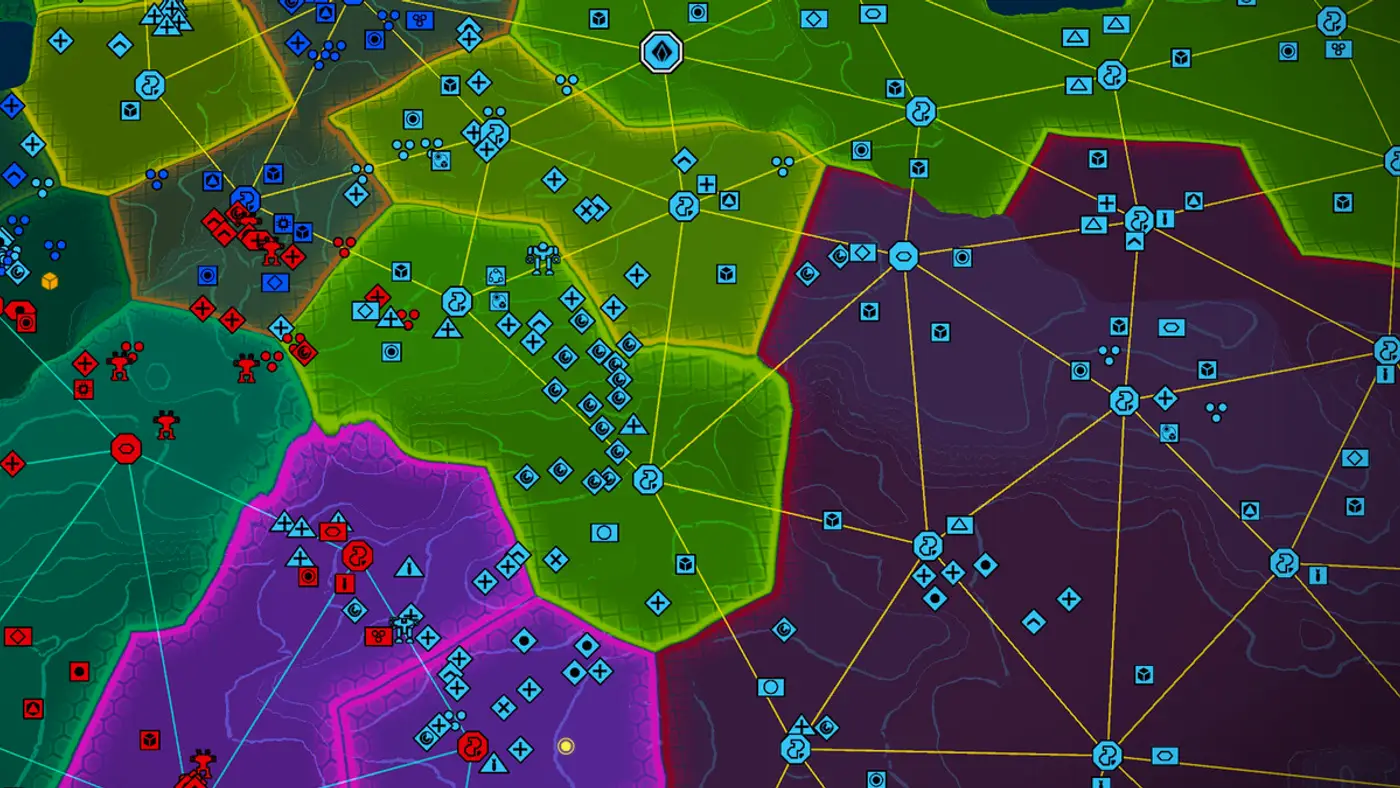
Strategic Zoom. The series' signature camera returns: you can zoom from orbit to the front line and issue orders at any scale.
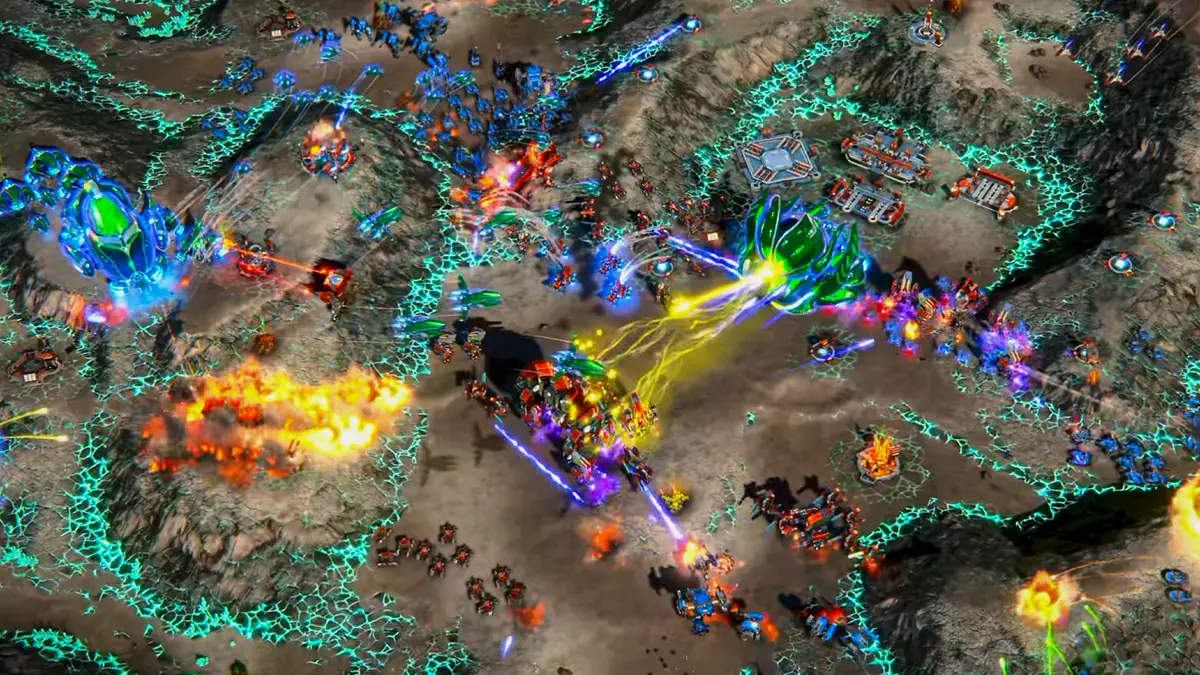
The scale. The original promised thousands of units; the sequel's eight-player games can reach around 10,000 units. That number is the series' identity.
The 2016 game is still documented through Ashes of the Singularity: Escalation on Steam ↗, the standalone expansion that folded in the original content. For the sequel's own store page see Ashes of the Singularity II on Steam ↗, and the official series site ↗ carries the developer posts quoted above.
What changed
The campaign. The 2016 game's campaign was thin compared with its skirmish mode. The sequel ships a 10-mission UEF campaign with a story about the PHC occupying the Moon. Hands-on reports put each mission at 30–40 minutes.
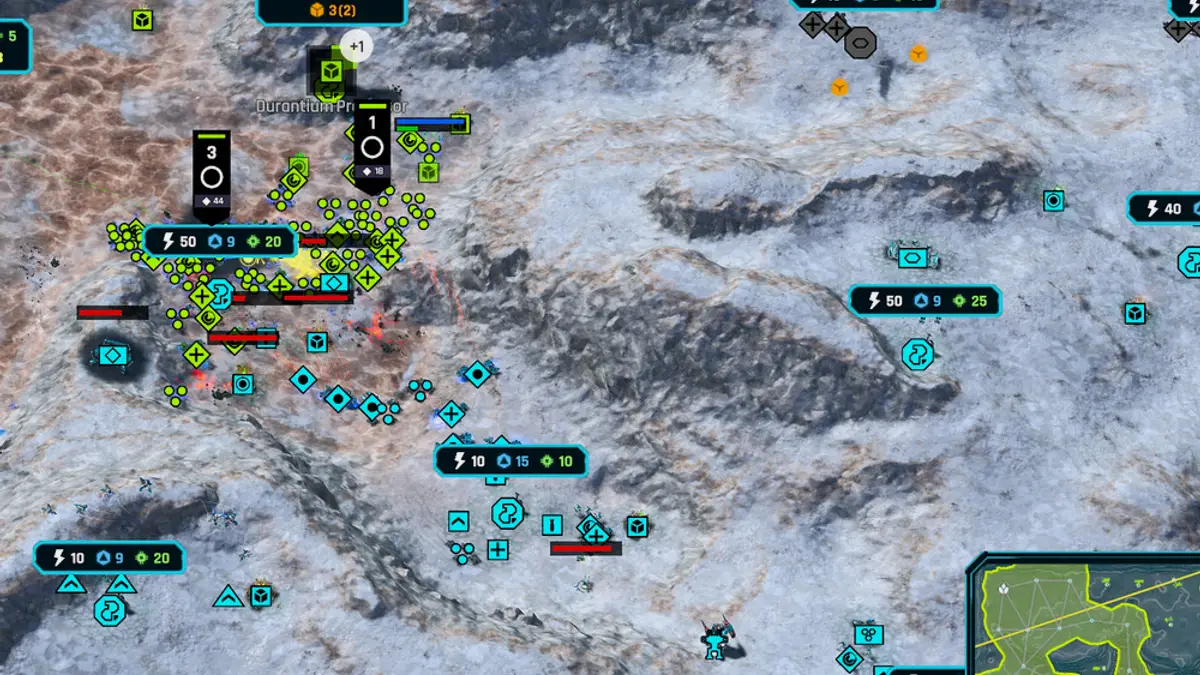
Region Power. The sequel adds a building limit per region. A region has a Power budget, and you cannot stack infinite production in one place. This is a significant change: it forces expansion instead of turtle-in-one-base play.
Unit upgrades. Commanders can be upgraded into veteran versions with more HP, better weapons and drone bays. The catch is that the investment is lost if the unit dies.
Army cohesion. Armies pathfind as a group, so a mixed formation does not need constant micro to stay together.
Unit production feedback. Buildings show what they are producing, and tooltips show production rate, active factories and completion.
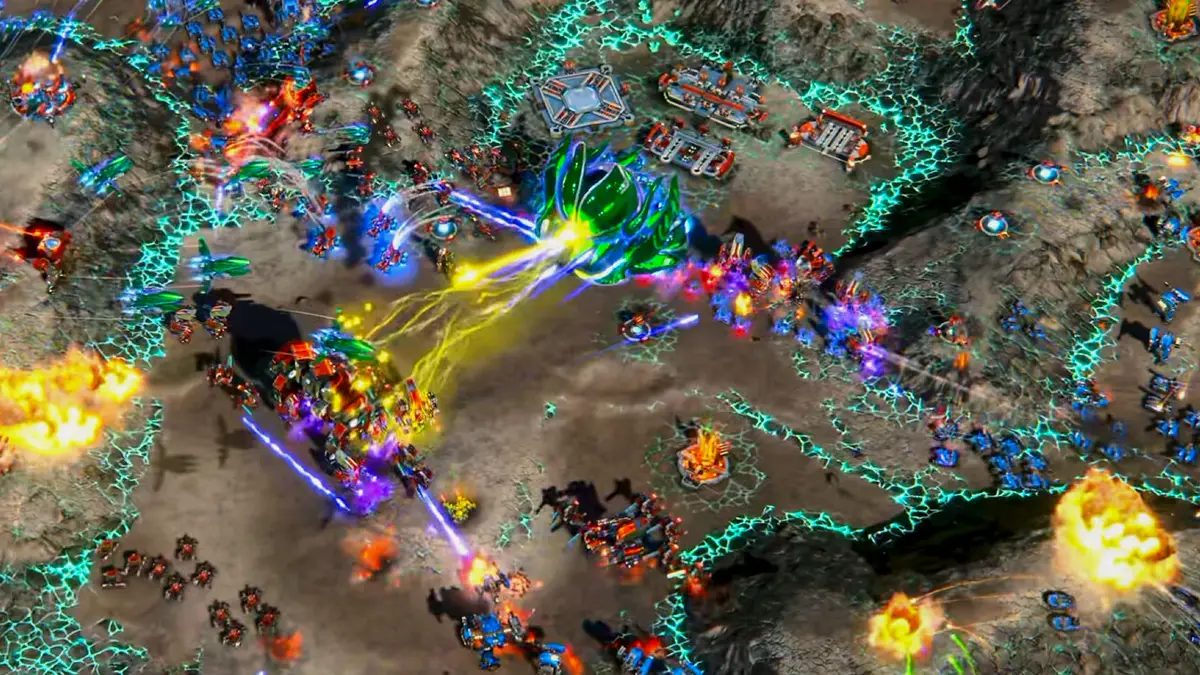
New maps and a custom battle generator. Twin Lakes, Crossroads Night, Scorched Divide and Ashfall Caldera are the launch maps, and Instant Action can generate custom battlefields.
Graphics and audio. The sequel is a 2026 game with modern lighting, effects and scale. It also uses AI-assisted content in places, which is one of the reasons its launch reception is mixed.
What got worse
The sequel's launch is not universally positive. Steam reviews sit at roughly 35% positive, with two recurring complaints:
- Performance in large battles. Players report low frame rates in late-game fights even on high-end hardware, and the game requires a restart after graphics changes.
- AI-generated content. Portraits, animations and voice work have been criticized as visibly synthetic.
The first point matters for a strategy game, because the late game is the point. The second is a matter of taste, but it is the dominant theme in negative reviews.
Is the sequel better than the original?
For a new player, yes. The 10-mission campaign, the region system and the clearer unit roles make the sequel easier to learn. The original's appeal was its scale and its skirmish sandbox; the sequel keeps both and adds a structured campaign.
For a veteran of the 2016 game, the answer depends on what you valued. If you valued the scale and the Turinium tension, the sequel delivers. If you valued the purity of the original's skirmish design, the sequel's region Power and unit upgrades change the rhythm in ways you may not like.
Should you buy the sequel?
Buy it if:
- You want a large-scale RTS with a real campaign.
- You like the idea of region-based economy and Turinium.
- You have hardware that can handle large battles.
Wait if:
- You mainly play 8-player games and need stable frame rates.
- You are sensitive to AI-generated art and voice work.
- You want a competitive ladder with a large population.
The launch price is $31.99 at 20% off through November 17, 2026. The Premium Edition is $55.99 and includes the soundtrack and three future DLCs. If you are unsure, the standard edition is the safer purchase.
The bottom line
Ashes of the Singularity II is a sequel that understands its identity: massive armies, a strategic zoom and a fight over Turinium. It adds a campaign and an economy that rewards expansion, and it stumbles on performance and presentation. If you liked the original's scale, this is more of it with a better on-ramp.
For the next step, read Ashes of the Singularity II Factions Guide: UEF vs PHC vs Substrate→.
FAQ
Is Ashes of the Singularity II a sequel or a remake? A sequel. It continues the same universe and factions with a new campaign and new systems.
Does Turinium victory return? Yes. The official developer blog confirms it, with configurable generator positions and victory timers.
Is the original still worth playing? It is still a good large-scale RTS, but the sequel is the better entry point for new players.
Official source: Ashes of the Singularity II on Steam ↗
Keep reading
Related Guides
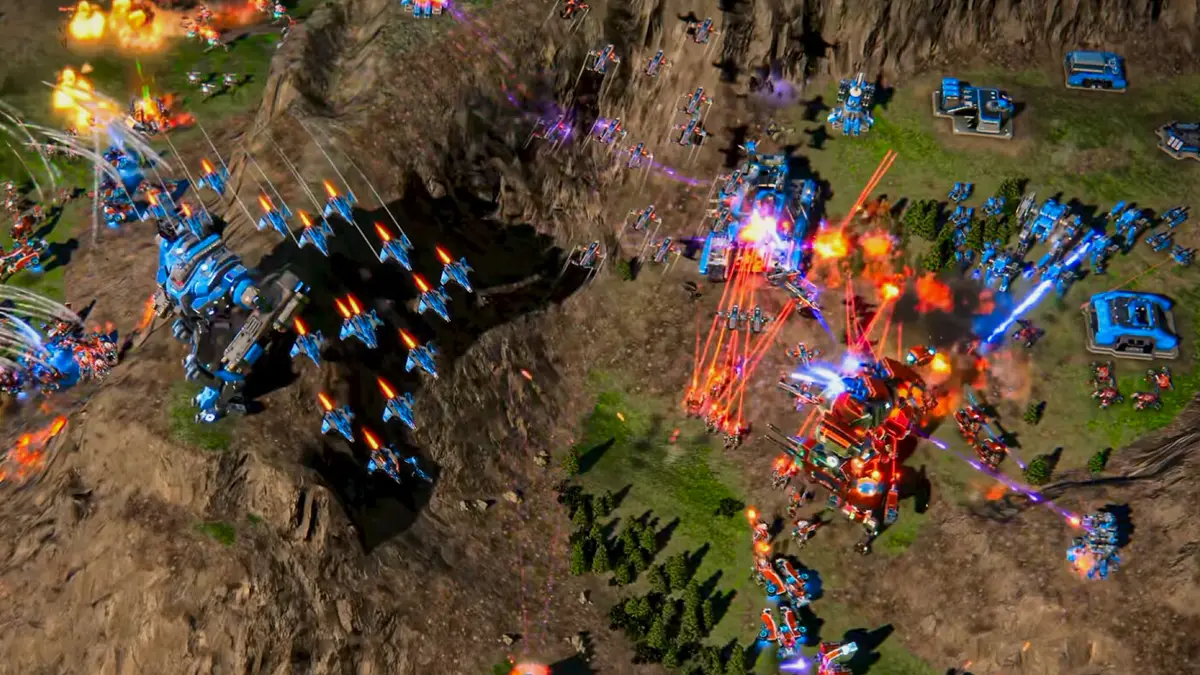
Ashes of the Singularity II Factions Guide
How UEF, PHC and Substrate actually differ in Ashes of the Singularity II: rosters, economy, defense, air and which faction to pick first.
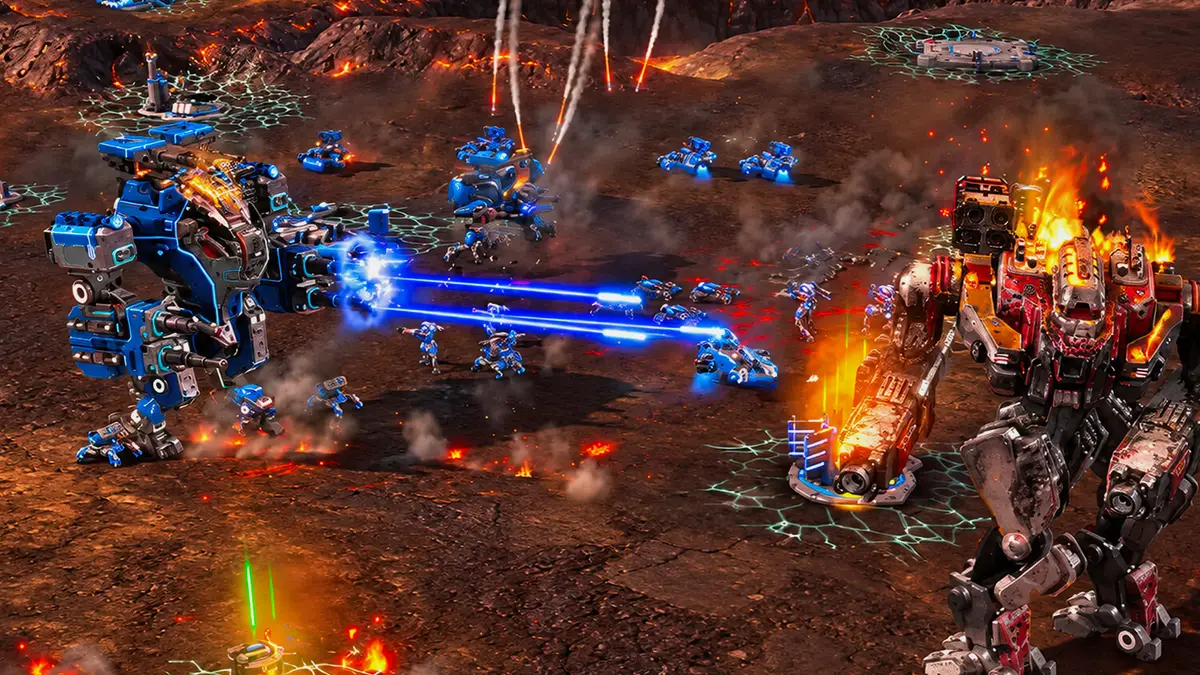
Ashes of the Singularity II Units: Full Stats Database
All 58 Ashes of the Singularity II units in one database: HP, DPS, range, cost, logistics and production building for UEF, PHC and Substrate.
Ashes of the Singularity II Beginner Guide: First 20 Minutes
A practical opening for Ashes of the Singularity II: first build, region capture, Power and Logistics, army control and the mistakes that lose games.
Ashes of the Singularity II Performance Guide
Why Ashes of the Singularity II drops frames in big battles, what the benchmarks show and the settings changes that actually help.
Ashes of the Singularity II Achievements Guide
The confirmed achievement data for Ashes of the Singularity II, the fastest completion routes and why 30 of the 35 achievements are rare.
Ashes of the Singularity II Ashfall Caldera Map Guide
How to play Ashfall Caldera in Ashes of the Singularity II: the trench chokepoints, the best factions and the openings that survive the funnel.
More Ashes of the Singularity II Guides
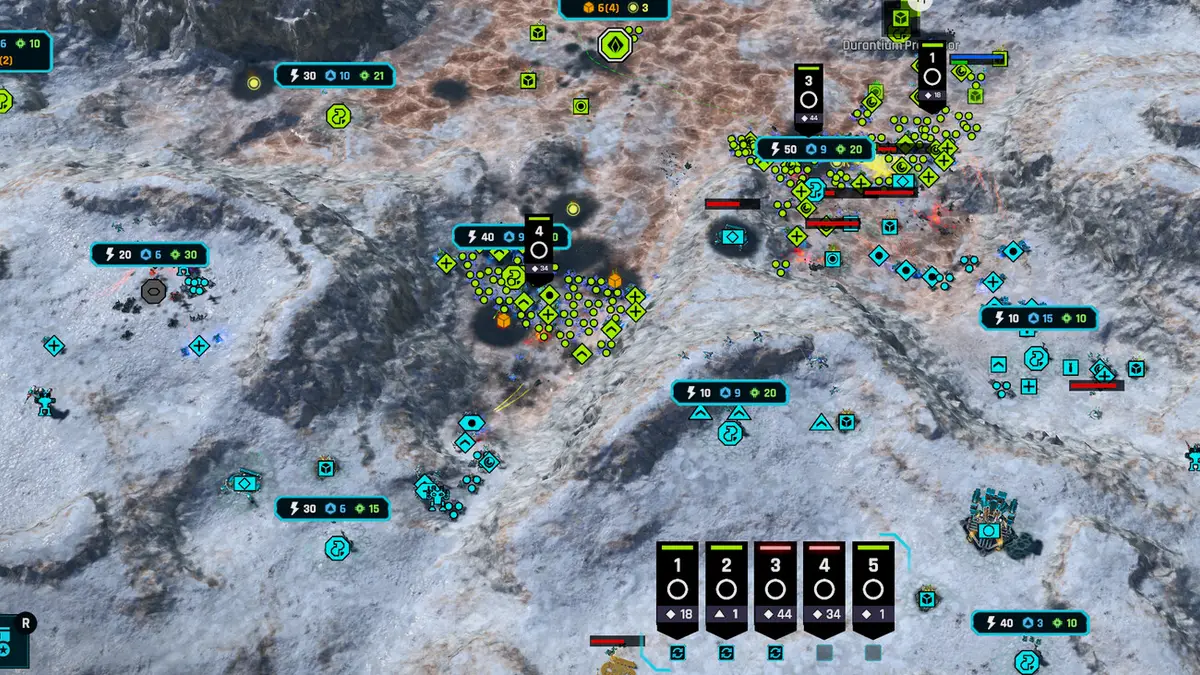
Ashes of the Singularity II Best Settings for Performance
A practical settings guide for Ashes of the Singularity II: resolution, presets, shadows, VSync and the Windows tweaks that help a CPU-bound RTS.
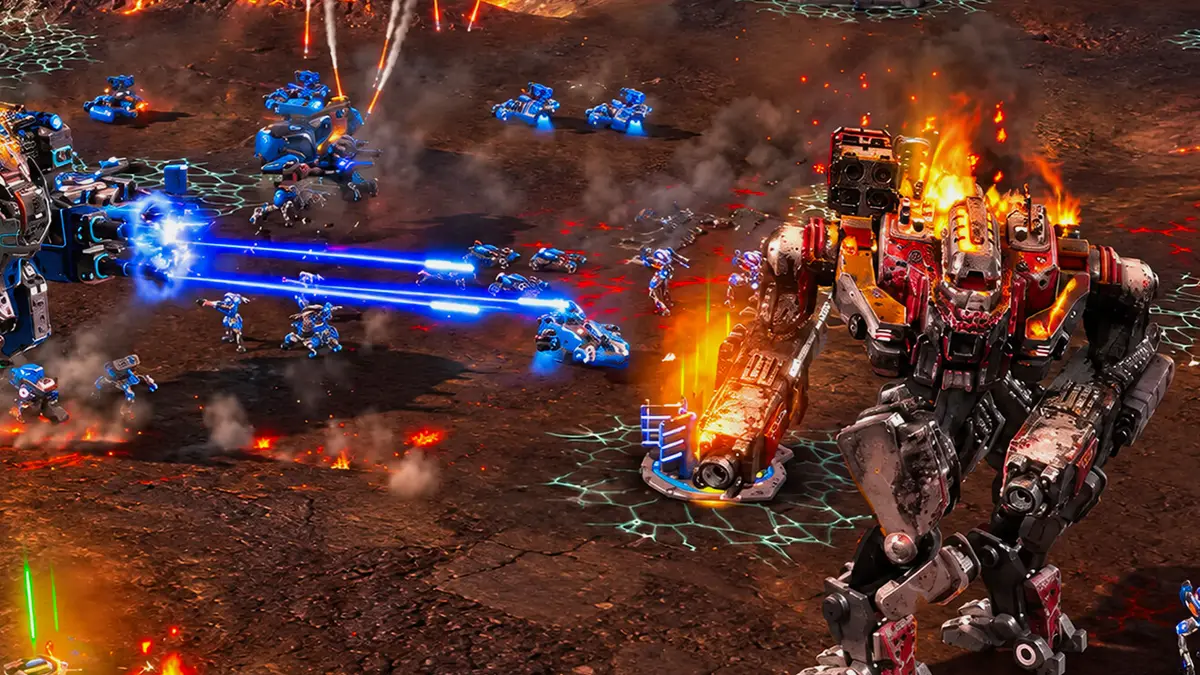
Ashes of the Singularity II Best Units Tier List
A launch tier list for Ashes of the Singularity II: the best units by role, the traps to avoid and the super units worth their logistics.
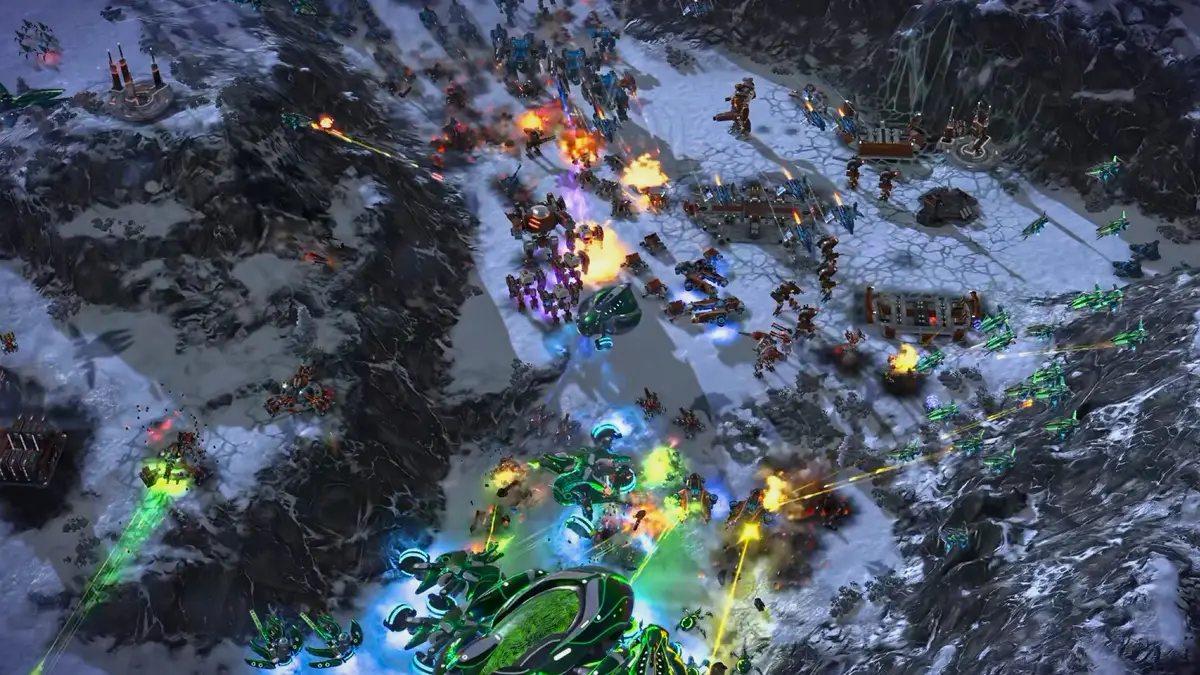
Ashes of the Singularity II Campaign Walkthrough
A spoiler-light walkthrough for the 10-mission Ashes of the Singularity II campaign: mission pacing, difficulty spikes, achievements and army tips.
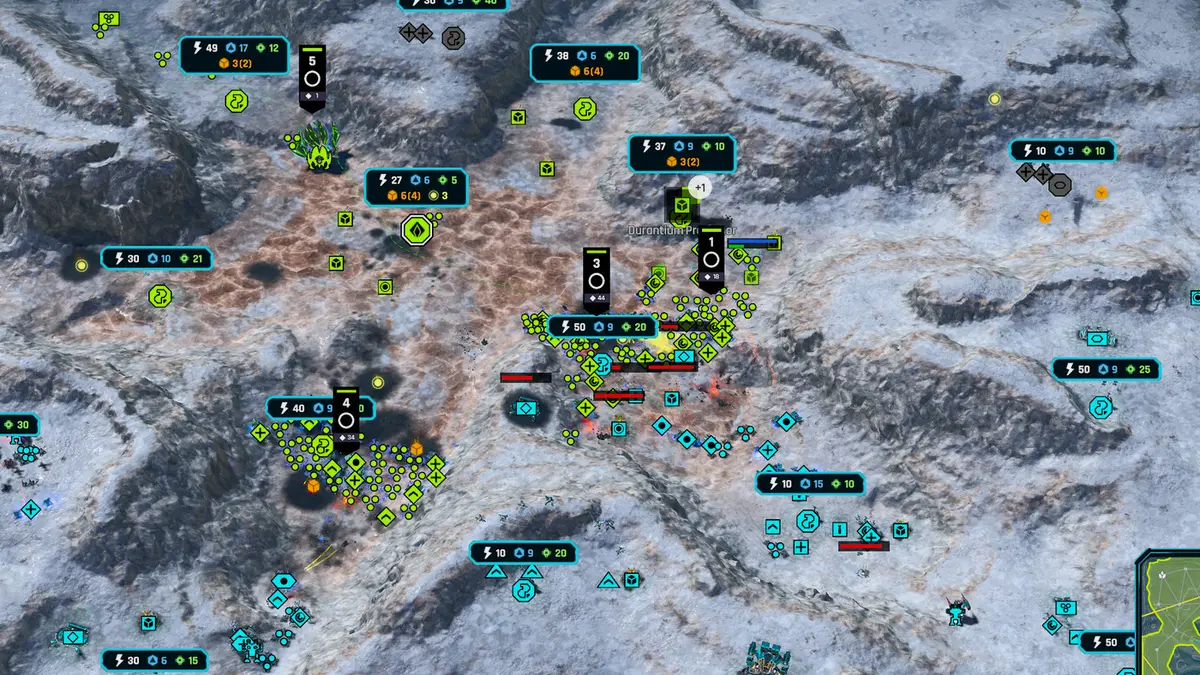
Ashes of the Singularity II Economy Guide
Durantium, Elerite and Quanta explained: extractors, refineries, region Power and the economic opening that beats a bigger army.
Ashes of the Singularity II Maps Guide
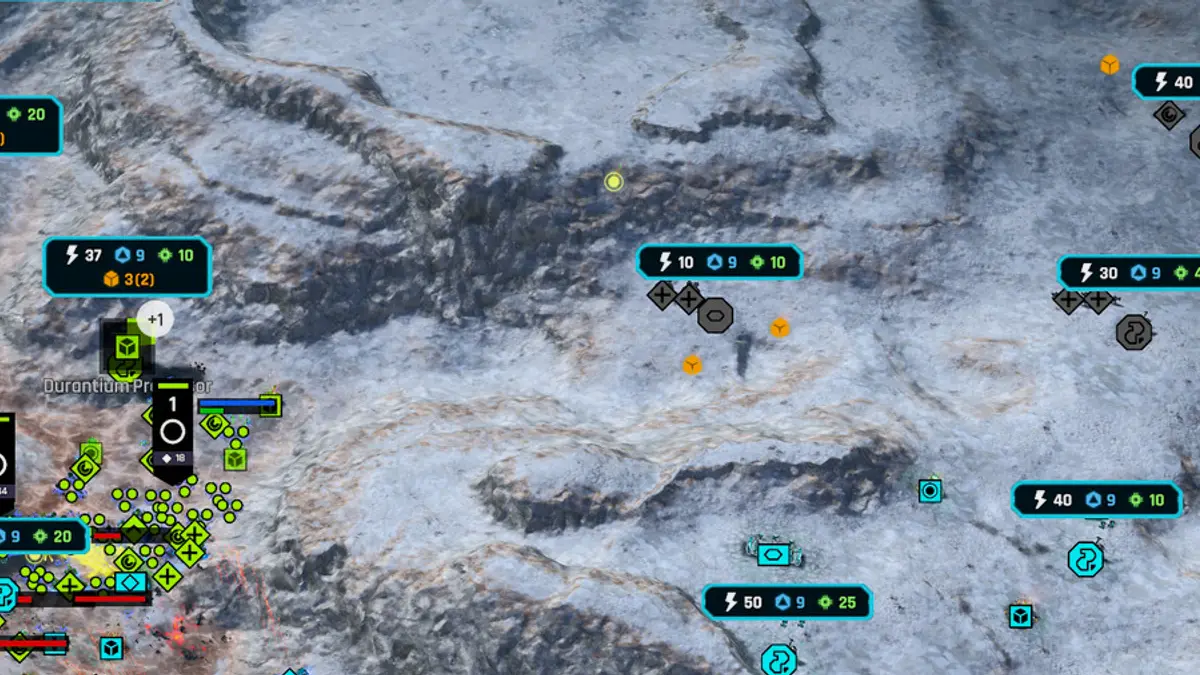
The launch maps of Ashes of the Singularity II, from the small snow map Twin Lakes to the canyon map Scorched Divide, and how each shape changes your build.
Ashes of the Singularity II Multiplayer Guide
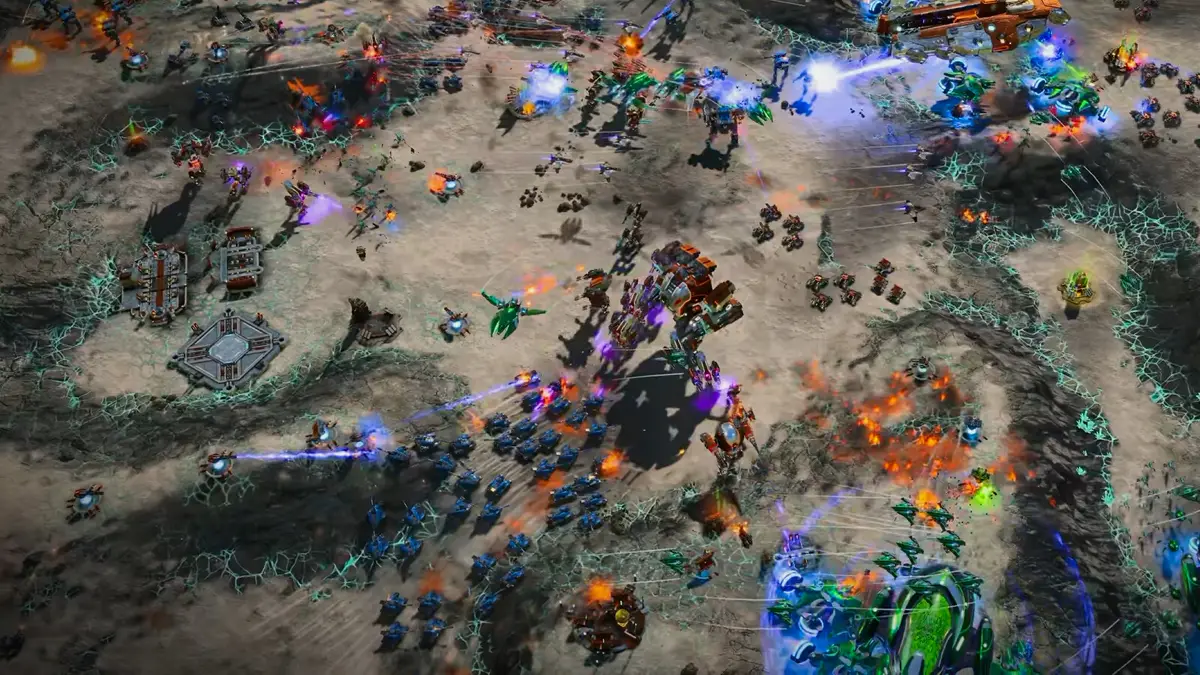
Multiplayer in Ashes of the Singularity II: army composition, scouting, team roles, the 100-unit army cap and the launch balance issues to know.
Ashes of the Singularity II PHC Build Order
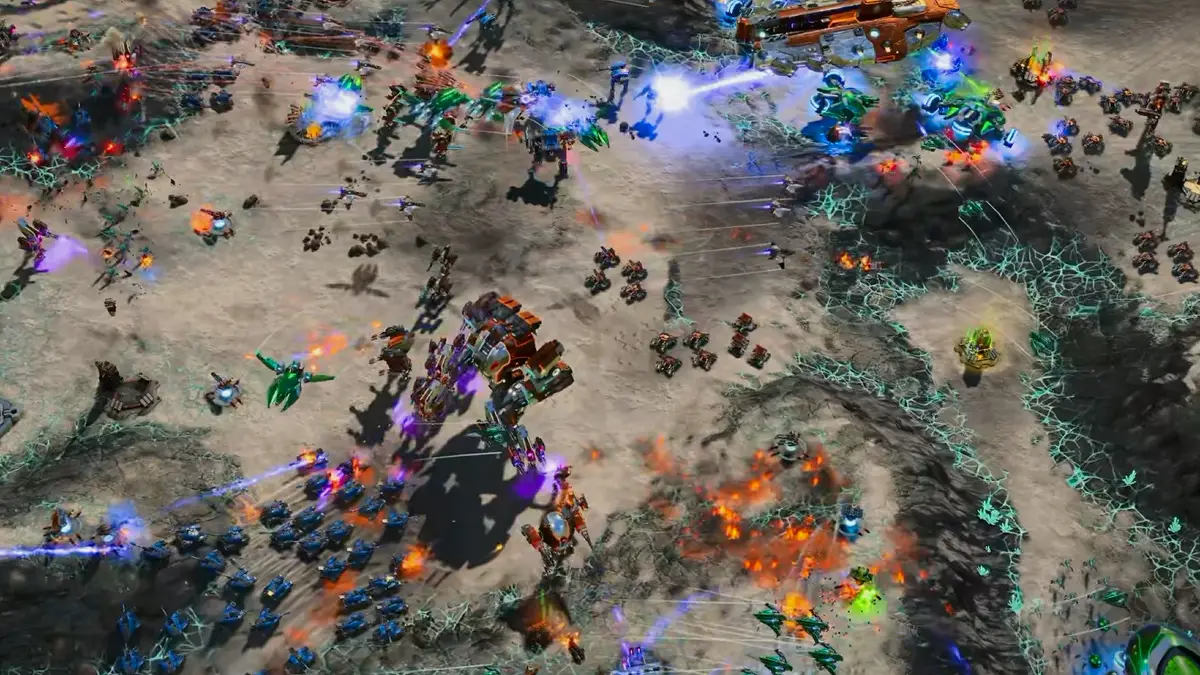
A Post-Human Coalition opening for Ashes of the Singularity II: Factory units, the Forge transition and the first Champion timing.
Ashes of the Singularity II PHC Units and Stats
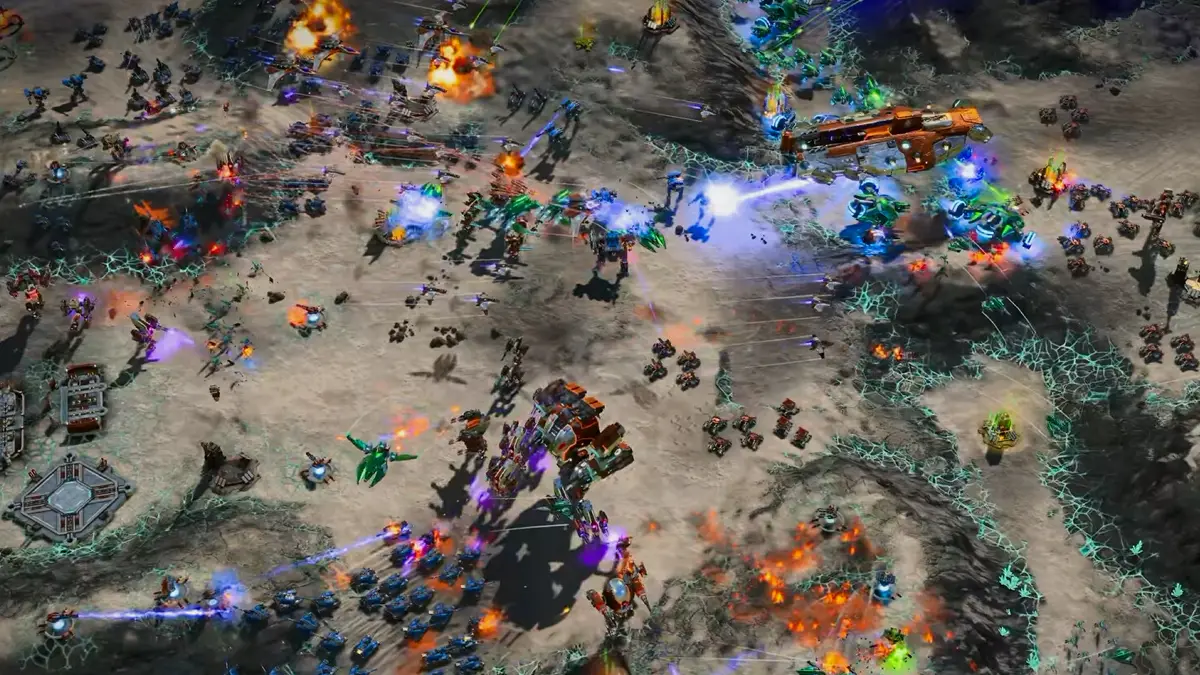
All 20 Post-Human Coalition units in Ashes of the Singularity II: stats, costs, aircraft, commanders and the upgrade path to Hyperion.