
Ashes of the Singularity II Multiplayer Guide
Multiplayer in Ashes of the Singularity II: army composition, scouting, team roles, the 100-unit army cap and the launch balance issues to know.
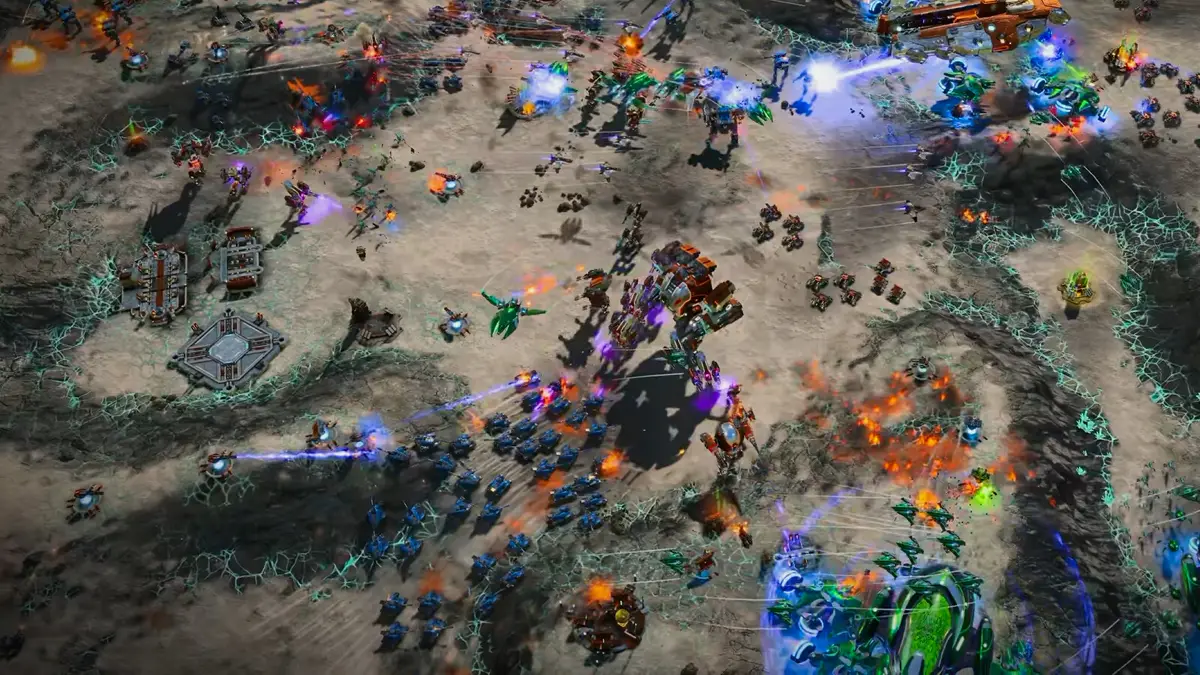
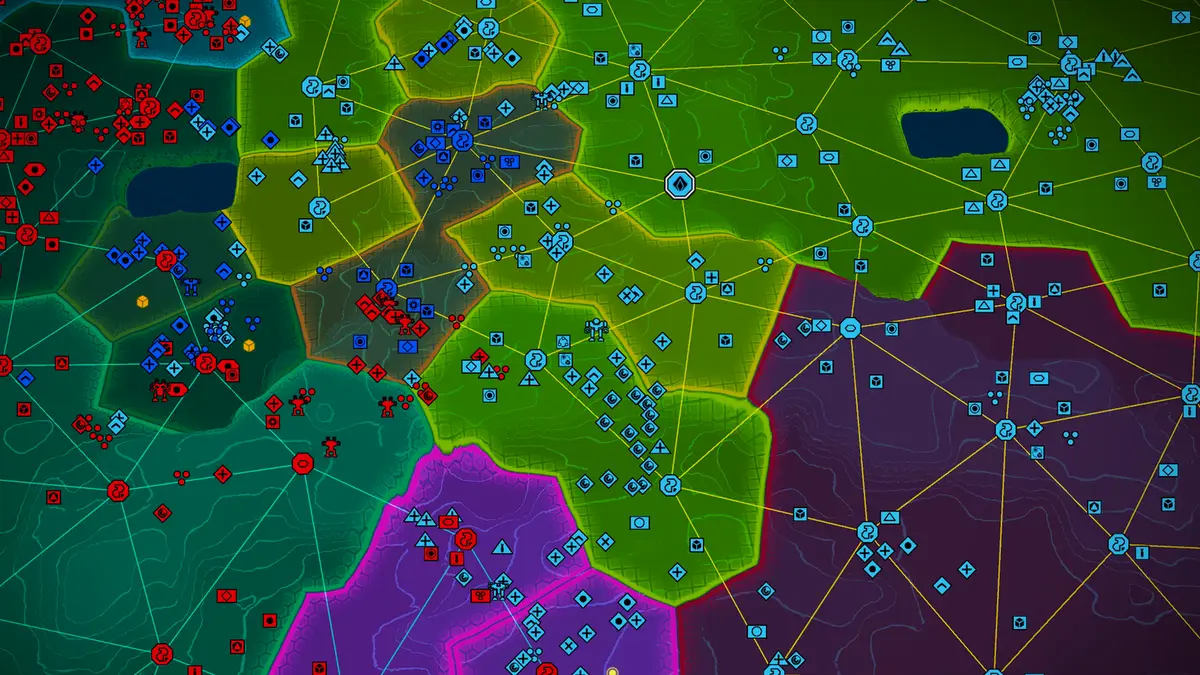
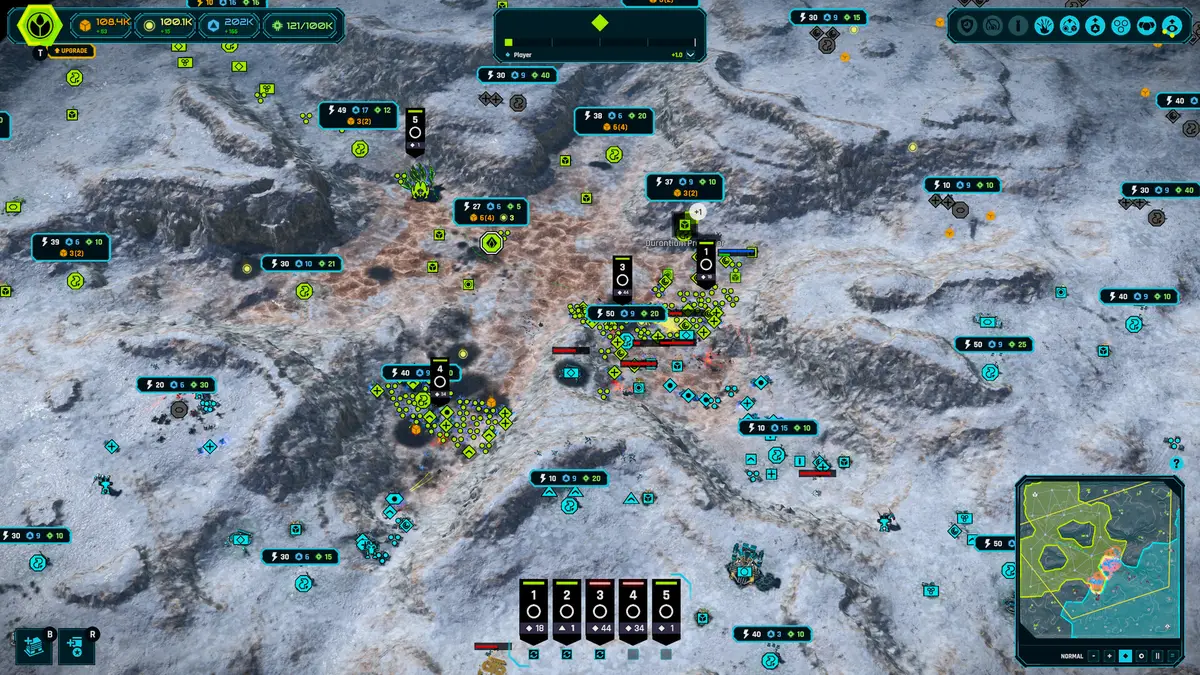
Multiplayer in Ashes of the Singularity II supports up to eight players, online PvP and co-op against AI. The scale is the selling point: thousands of units on a continental map, with Strategic Zoom letting you command from orbit or from the front line.
That scale also makes multiplayer a different game from the campaign. You cannot micro every unit, so the player who wins is the one who builds the right army and puts it in the right place.
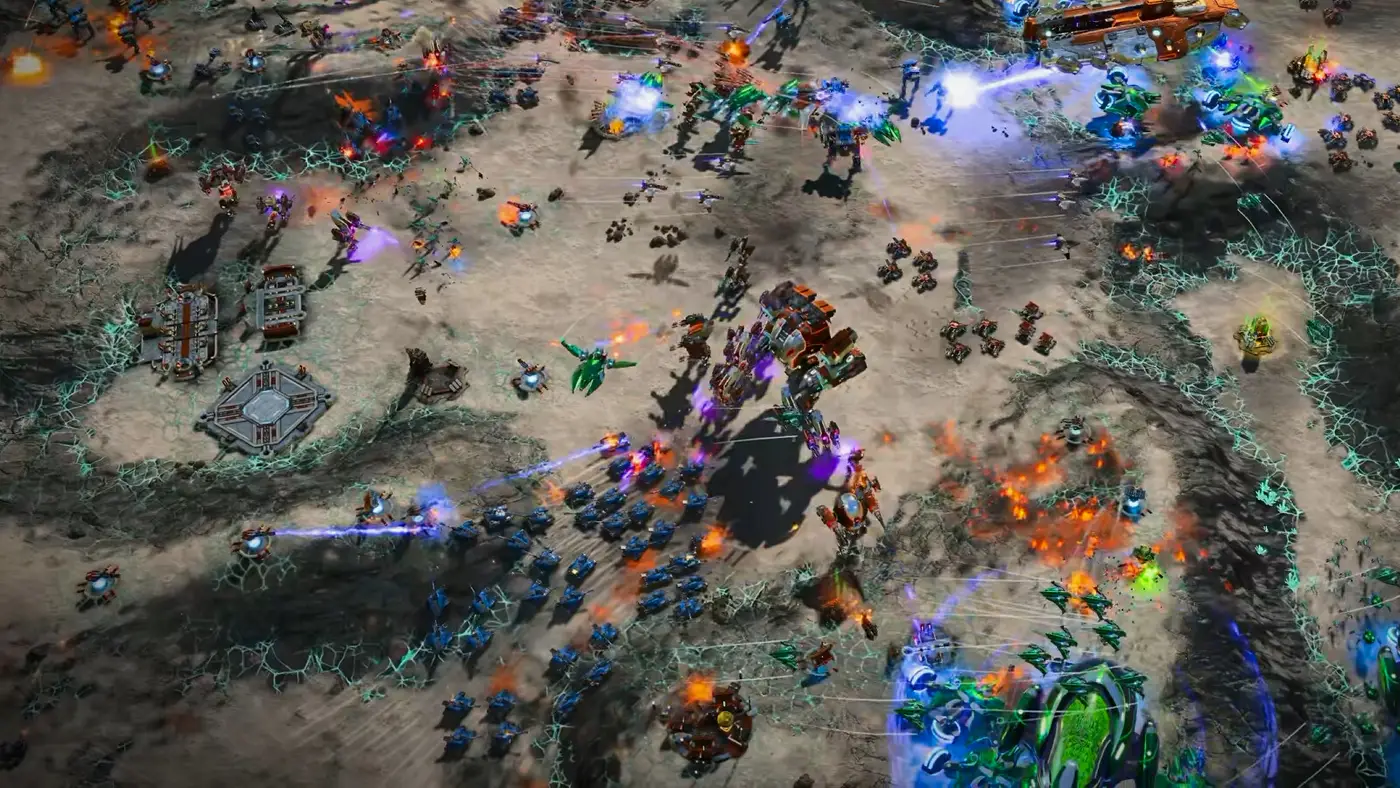
This guide reflects the November 10, 2026 launch build. Re-check key numbers after each patch.
The army cap changes everything
Each army is capped at roughly 100 units, and most units are produced as squads. That means a "large army" is not one blob; it is several armies with separate orders. Players who bind everything to one hotkey and attack-move across the map will lose to a player who uses two or three groups.
A practical setup:
- Group 1: main line (tanks, infantry, commanders).
- Group 2: artillery and anti-air.
- Group 3: air or a fast flanking force.
- Group 4: scout.
You do not need more than four groups. You need to use them.
Scouting is not optional
The map is large and the Strategic Zoom view gives you information, but it does not show enemy composition. Send a cheap scout or a single aircraft across the map every few minutes. What you are looking for:
- Is the enemy on two regions or four?
- Are they building air?
- Is there an Omega Arsenal or Prototype Fabricator?
- Where is their army, and where is it not?
The last question is the important one. A scout that finds an empty flank is worth more than a scout that counts tanks.
Faction roles in team games
In a team game, the three factions complement each other:
- UEF is the line faction. Cheap infantry, flexible Titans, strong artillery. UEF holds the center.
- PHC is the quality faction. Champions and commanders trade efficiently and can break a stalemate.
- Substrate is the mobility faction. Shields and fast units make it the best raider and flanker.
A team of UEF plus Substrate can hold a lane and raid the opposite lane at the same time. A team of two PHC players can double up on quality and win a single decisive fight, but is more vulnerable to being out-expanded.
The launch balance picture
The game released on November 10, 2026, and the community is still forming. A few patterns show up repeatedly in launch reports:
- PHC scales well into the late game because Champion and Hyperion are strong per logistics point.
- Substrate's shields reward players who disengage; players who fight to the death lose.
- UEF's cheap infantry gives the faction the strongest early map presence.
- Super units are win-more. They close a game that is already won and rarely save one that is lost.
Treat these as launch impressions, not permanent truths. The first balance patch can change any of them.
The 10,000-unit problem
Eight-player games can reach around 10,000 units. At that scale, two things happen:
- Performance drops. Community reports describe late-game frame rates in the 10–40 FPS range on high-end hardware. The performance guide covers settings that help.
- Control breaks down. Orders issued to a 100-unit army can take a moment to register. The counter is to use smaller groups and shorter move orders.
If your machine struggles, play 1v1 or 2v2. The game is still fun at smaller scale, and the strategic decisions are clearer.
A simple multiplayer opening
- Extractor, extractor, production.
- Scout the nearest expansion.
- Take the second region before the first fight.
- Build anti-air before you see aircraft.
- Fight only when you have a composition advantage.
The most common multiplayer mistake is building an army before building an economy. The second most common is building an army with no anti-air. Fix both and you will win more games than any unit-specific trick.
Communication and team play
In team games, tell your ally what you are building before the fight, not after. "I have anti-air" is more useful than "I have a big army." If you are the Substrate player, tell your ally you are raiding so they know to hold. If you are the UEF player, tell your ally where your artillery is so they do not block it.
The game does not require voice chat to be enjoyable, but a team that pings the map and shares scouting information will beat a team of mechanically better players who fight separate wars.
For the next step, read Ashes of the Singularity II UEF Build Order→.
FAQ
How many players can play Ashes of the Singularity II? Up to eight players in multiplayer, with online PvP and co-op against AI.
Is there ranked matchmaking? The game supports online multiplayer; check the current client for the available playlist and ranking options.
How many units can one army have? Around 100 units per army, with most units produced as squads.
Sources
Official source: Ashes of the Singularity II on Steam ↗
Keep reading
Related Guides
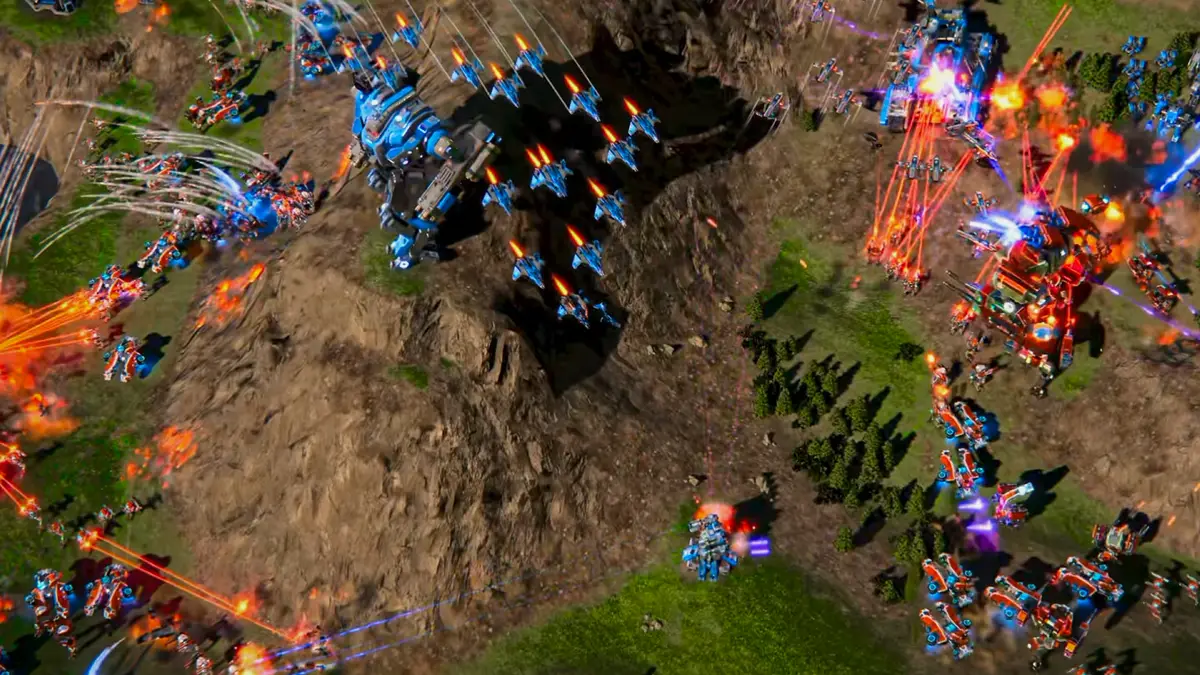
Ashes of the Singularity II UEF Build Order
A safe UEF opening for Ashes of the Singularity II: extractors, Barracks, Motor Pool, Armory and the first Titan M-7 timing.
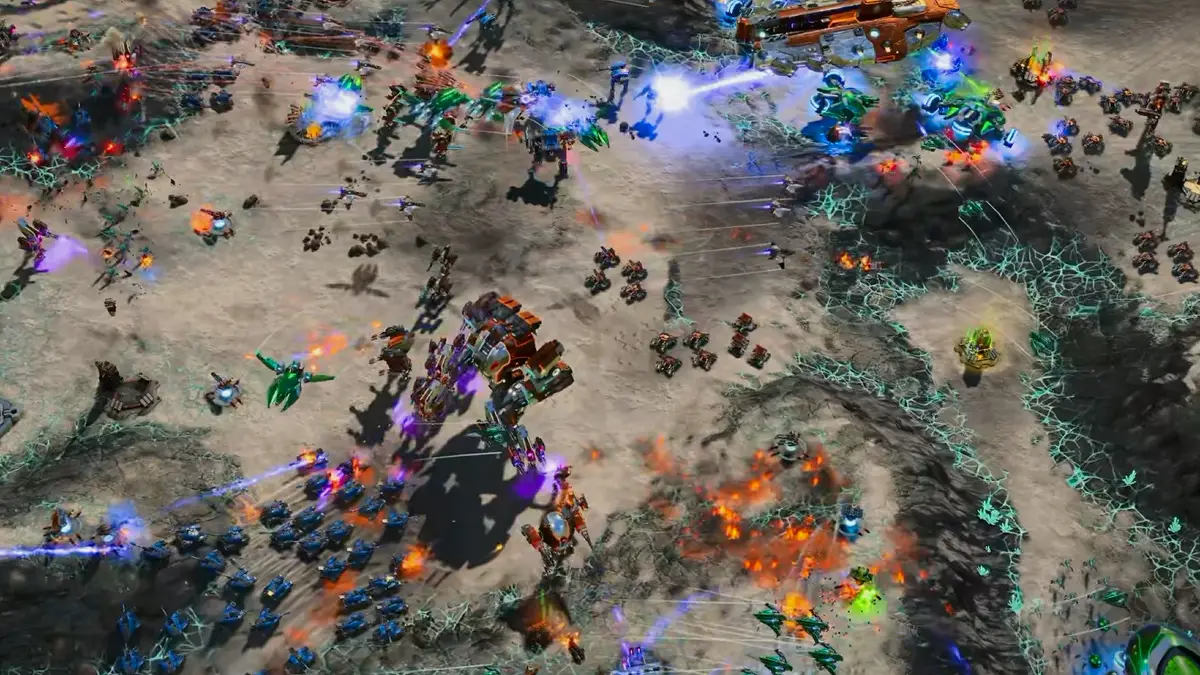
Ashes of the Singularity II PHC Build Order
A Post-Human Coalition opening for Ashes of the Singularity II: Factory units, the Forge transition and the first Champion timing.
Ashes of the Singularity II Substrate Build Order
A Substrate opening for Ashes of the Singularity II: cheap Hatchlings, the Eradicator timing, Reaper trades and the first Punisher.
Ashes of the Singularity II Unit Counters and Damage Types
How armor, thermal damage, shields and range decide fights in Ashes of the Singularity II, with concrete unit counters for all three factions.
Ashes of the Singularity II Achievements Guide
The confirmed achievement data for Ashes of the Singularity II, the fastest completion routes and why 30 of the 35 achievements are rare.
Ashes of the Singularity II Ashfall Caldera Map Guide
How to play Ashfall Caldera in Ashes of the Singularity II: the trench chokepoints, the best factions and the openings that survive the funnel.
More Ashes of the Singularity II Guides
Ashes of the Singularity II Beginner Guide: First 20 Minutes
A practical opening for Ashes of the Singularity II: first build, region capture, Power and Logistics, army control and the mistakes that lose games.
Ashes of the Singularity II Best Settings for Performance
A practical settings guide for Ashes of the Singularity II: resolution, presets, shadows, VSync and the Windows tweaks that help a CPU-bound RTS.
Ashes of the Singularity II Best Units Tier List
A launch tier list for Ashes of the Singularity II: the best units by role, the traps to avoid and the super units worth their logistics.
Ashes of the Singularity II Campaign Walkthrough
A spoiler-light walkthrough for the 10-mission Ashes of the Singularity II campaign: mission pacing, difficulty spikes, achievements and army tips.
Ashes of the Singularity II Economy Guide
Durantium, Elerite and Quanta explained: extractors, refineries, region Power and the economic opening that beats a bigger army.
Ashes of the Singularity II Factions Guide
How UEF, PHC and Substrate actually differ in Ashes of the Singularity II: rosters, economy, defense, air and which faction to pick first.
Ashes of the Singularity II Maps Guide
The launch maps of Ashes of the Singularity II, from the small snow map Twin Lakes to the canyon map Scorched Divide, and how each shape changes your build.
Ashes of the Singularity II Performance Guide
Why Ashes of the Singularity II drops frames in big battles, what the benchmarks show and the settings changes that actually help.