
Ashes of the Singularity II Unit Counters and Damage Types
How armor, thermal damage, shields and range decide fights in Ashes of the Singularity II, with concrete unit counters for all three factions.
Ashes of the Singularity II does not use a simple rock-paper-scissors chart. It uses five damage types, a small armor table, range bands and shield regeneration. Once you know which of those four levers a fight is decided by, you can build an answer instead of guessing.
This page is the counter reference. The numbers come from the launch unit database; the recommendations are ours.
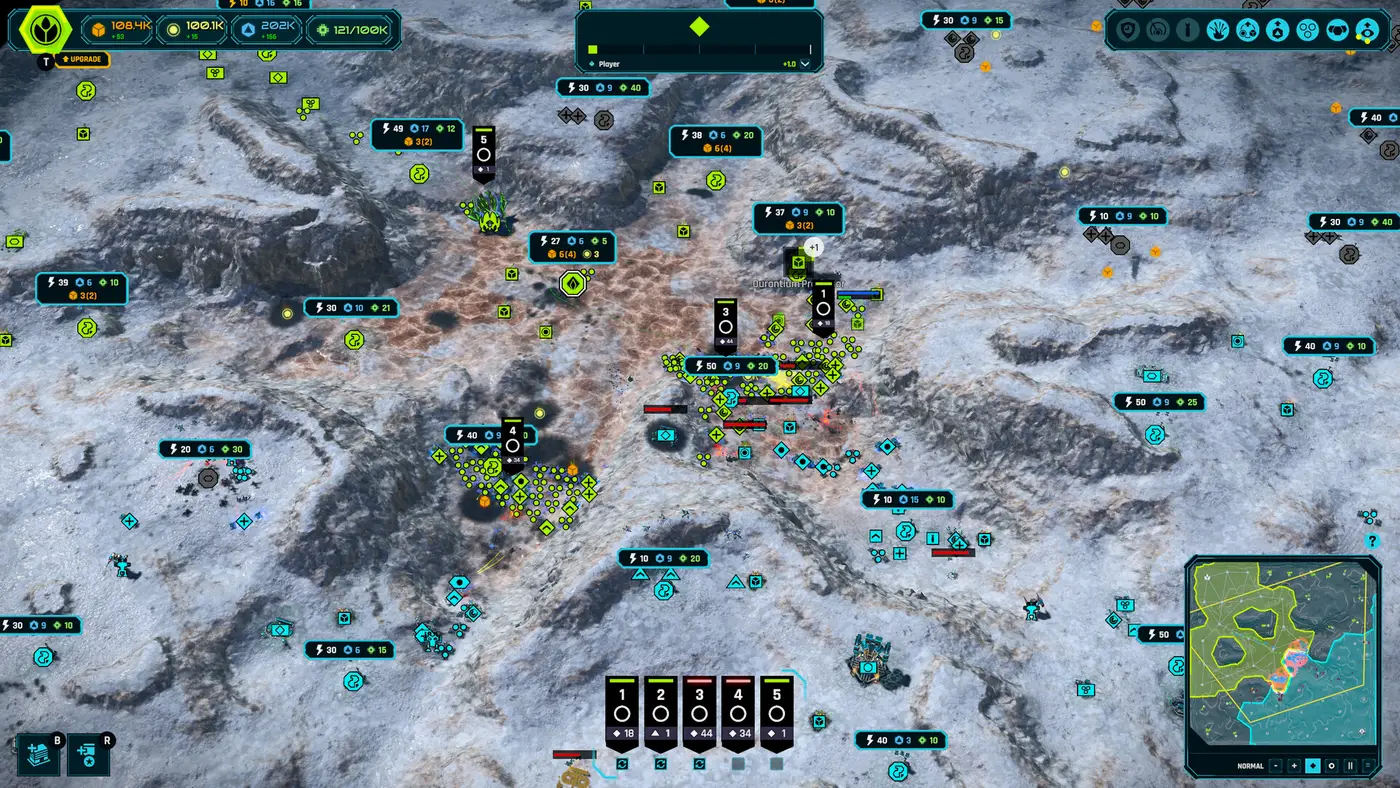
All values reflect the 1.0 release build and the November 10 hotfix. Re-check unit tooltips after any balance patch.
The five damage types
Every weapon in the game deals Kinetic, Thermal, Ion, EMP or Explosion damage. The difference matters because armor is typed.
| Damage type | Typical users | What it is good against |
|---|---|---|
| Kinetic | Rifles, Gatlings, most interceptors | Unarmored swarms and aircraft |
| Thermal | Titans, Champions, Nemesis, Reapers | Armored vehicles and commanders |
| Ion | Artillery, bombers, Pathfinder | Static targets and clustered armies |
| EMP | Utility weapons | Shield and system disruption |
| Explosion | Missiles, mortars, Stormbreaker | Groups and buildings |
The armor table explains the pattern. Most armored units in the launch database carry Kinetic 10, EMP 10, Thermal 0, Ion 10 and Explosion 10. In plain terms: they resist almost everything except Thermal. That is why Thermal is the default damage type for heavy line units, and why a Titan M-7 or Champion melts other armored vehicles faster than a Rifle Squad ever will.
Vindicator is the exception. It carries Thermal 10 and EMP 0, so Thermal is the wrong answer into a captured Vindicator and EMP is the right one. If you are fighting Recruit units, check the armor before you commit.
Range bands
Range is the second lever. The game's range bands are roughly:
- 600–900: brawler range. Brute, Zeus, Hatchling, Reaper.
- 1,000–1,300: standard line range. Nemesis, Eradicator, Titan, most aircraft.
- 1,400–1,800: long range. Orion, Stormbreaker, Destructor, Hades.
- 2,000–2,500: siege range. Apollo, Artemis, Typhon, Commander.
A unit that outranges its target can fight for several seconds before taking damage. That is the entire value of Artemis and Typhon: they are fragile, but they start shooting before the enemy line can reply. The counter to long range is not more range, it is speed and terrain. Aircraft ignore most terrain, which is why a Fury or Dominator sweep is the standard answer to exposed artillery.
Anti-air is a separate budget
Air units in this game are not invincible, but only a handful of units can actually shoot them. The dedicated anti-air pieces are Apollo (2,000 range), Sky Cleanser (1,200), Tridon Mk3 (1,200) and Thunderbolt F-47s (1,300). Several commanders and super units also have air-capable weapons: Champion, Sovereign, Commander, Titan M-7, Godslayer and Goliath.
That list is short on purpose. If your army has no anti-air, a single Punisher or Hades can delete your artillery for free. Build two anti-air units per ten line units, and keep them behind the line so they survive the first volley.
Shields versus burst
Substrate shields regenerate, so sustained low-DPS fire is the worst possible answer. Rifle Squads and Hatchlings will lose a shield war every time. What works is burst: Stormbreaker volleys, Champion alpha strikes, Hyperion's 379 DPS, or a Talos run. The goal is to remove a unit in one engagement, not to grind it down.
The reverse is also true. If you are the Substrate player, do not stand in a long fight. Pull back, let shields refill and re-engage. Every second you stay at half shield is a second you are losing the trade.
Concrete counters
| Threat | Counter | Why |
|---|---|---|
| UEF Rifle/Missile blob | Zeus, Acolyte, Stormbreaker | Explosion and thermal clear infantry |
| PHC Nemesis line | Titan M-7, Goliath, Mauler | Thermal into Thermal 0 armor |
| Substrate Reaper push | Champion, Aspirant, Orion | Burst strips shields before regeneration |
| UEF Titan | Nemesis plus Apollo | Thermal damage, air cover for the flanks |
| PHC Champion | Goliath, Godslayer, Eye of Darkness | Raw HP and thermal damage |
| Artillery (Artemis/Typhon/Stormbreaker) | Aircraft, Pathfinder, Wraith | Speed and vision |
| Air (Fury/Talos/Punisher) | Apollo, Tridon, Sky Cleanser | Dedicated anti-air range |
| Super units | Economy denial, not a fair fight | 10 logistics and 300s build time |
The last row is the important one. A 50,000 HP Hyperion is not killed by a slightly better unit composition. It is killed by attacking the Omega Arsenal, cutting the Elerite income that paid for it, or forcing the enemy to split the super unit away from the army. Treat super units as a map problem first and a combat problem second.
Terrain and chokepoints
Ashfall Caldera is the clearest example: trenches and gullies funnel armies into a handful of chokepoints. In a chokepoint, range matters less and splash matters more. Stormbreaker, Zeus and Eye of Darkness all gain value because the enemy cannot spread. On open maps the opposite is true: Eradicator and Nemesis lines can kite, and artillery needs vision to be useful.
A simple counter checklist
Before you queue another ten units, answer four questions:
- What damage type is the enemy line? If it is Thermal, your armor is not helping.
- Do they have air? If yes, do you have two anti-air units per ten line units?
- Are they Substrate? If yes, bring burst, not sustained DPS.
- Are they sieging? If yes, bring aircraft or fast vehicles, not more turrets.
For the next step, read Ashes of the Singularity II Units: Full Stats Database→.
FAQ
What damage type is best in Ashes of the Singularity II? Thermal is the best general-purpose type because most armored units have Thermal 0 armor. Kinetic is better against unarmored swarms and aircraft.
How do I counter Substrate shields? Use burst damage and focus fire. Sustained low-DPS units give shields time to regenerate.
How much anti-air do I need? Two dedicated anti-air units per ten line units is a safe baseline. More if the opponent has committed to air.
Sources
Official source: GameWatcher unit database ↗
Keep reading
Related Guides
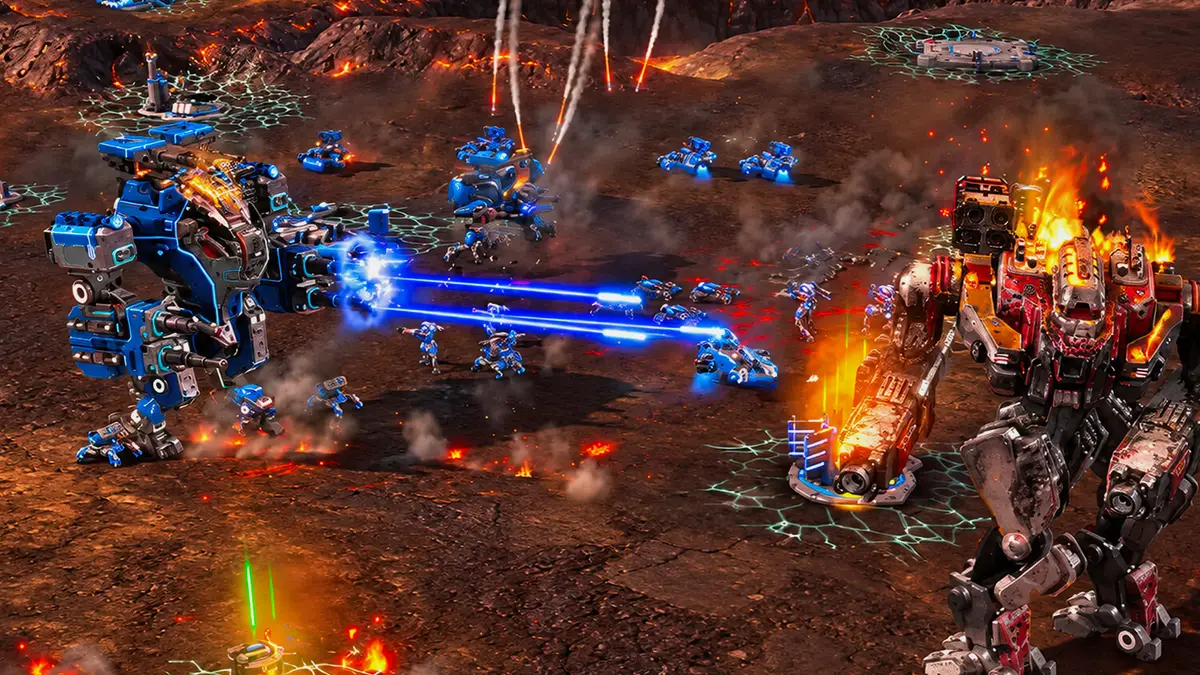
Ashes of the Singularity II Units: Full Stats Database
All 58 Ashes of the Singularity II units in one database: HP, DPS, range, cost, logistics and production building for UEF, PHC and Substrate.
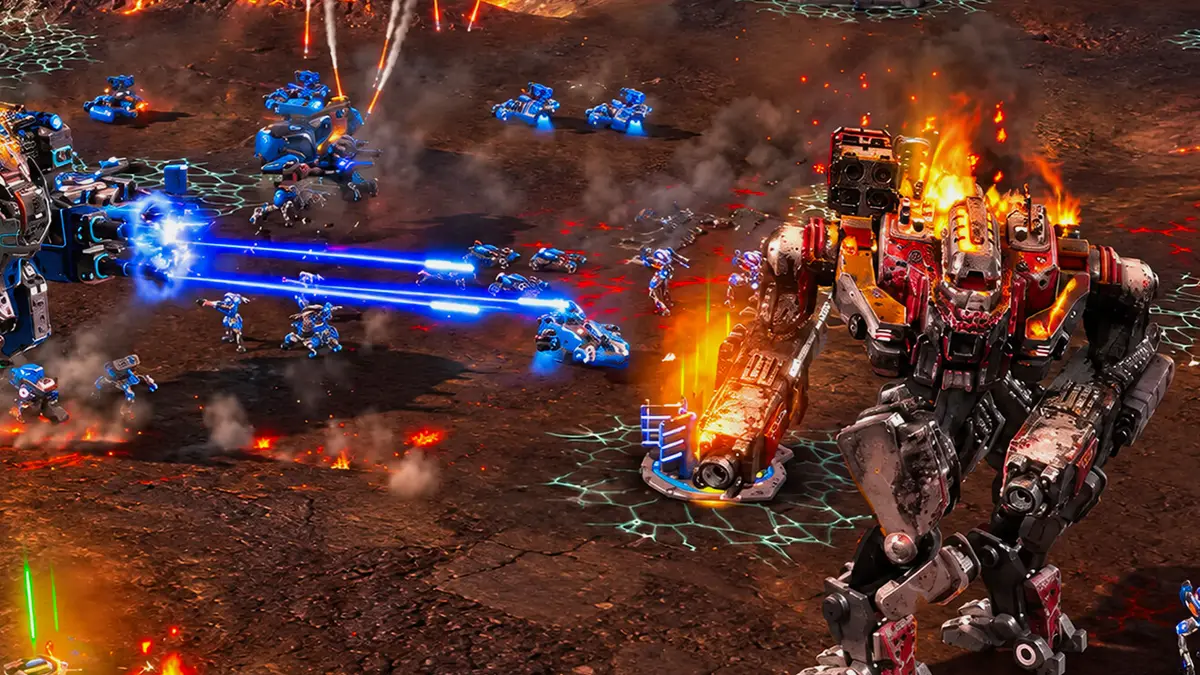
Ashes of the Singularity II Best Units Tier List
A launch tier list for Ashes of the Singularity II: the best units by role, the traps to avoid and the super units worth their logistics.
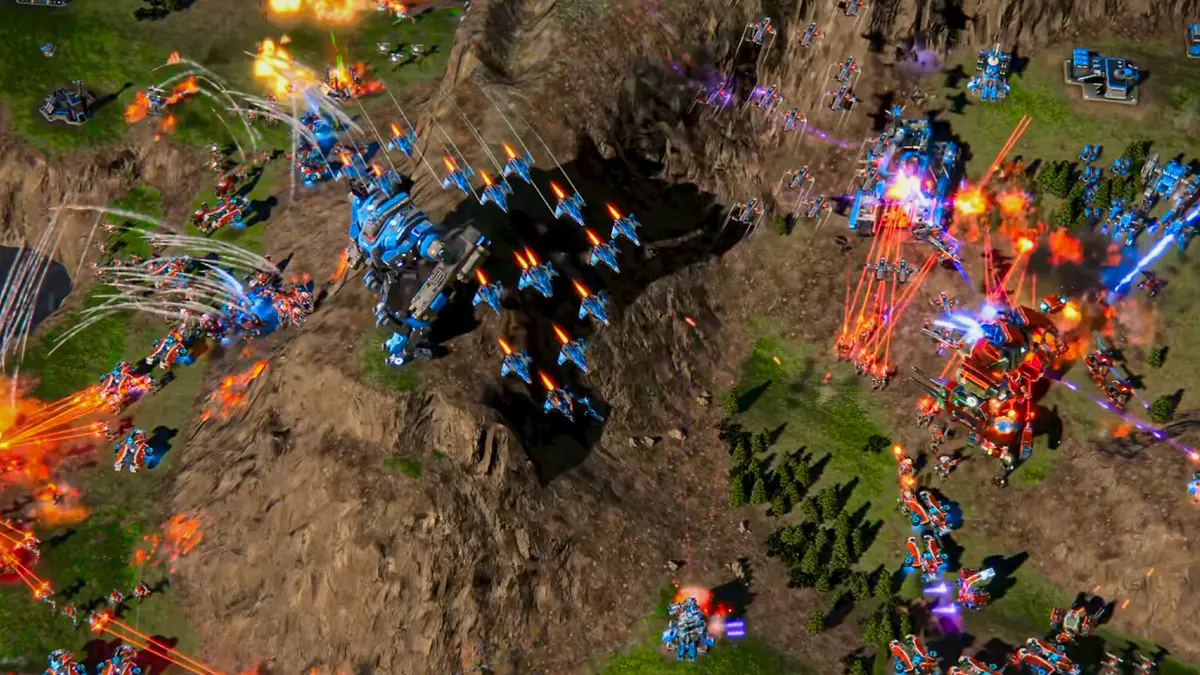
Ashes of the Singularity II UEF Units and Stats
Every UEF unit in Ashes of the Singularity II: 18 units with HP, DPS, cost, logistics, production building and the research that unlocks them.
Ashes of the Singularity II PHC Units and Stats
All 20 Post-Human Coalition units in Ashes of the Singularity II: stats, costs, aircraft, commanders and the upgrade path to Hyperion.
Ashes of the Singularity II Achievements Guide
The confirmed achievement data for Ashes of the Singularity II, the fastest completion routes and why 30 of the 35 achievements are rare.
Ashes of the Singularity II Ashfall Caldera Map Guide
How to play Ashfall Caldera in Ashes of the Singularity II: the trench chokepoints, the best factions and the openings that survive the funnel.
More Ashes of the Singularity II Guides
Ashes of the Singularity II Beginner Guide: First 20 Minutes
A practical opening for Ashes of the Singularity II: first build, region capture, Power and Logistics, army control and the mistakes that lose games.
Ashes of the Singularity II Best Settings for Performance
A practical settings guide for Ashes of the Singularity II: resolution, presets, shadows, VSync and the Windows tweaks that help a CPU-bound RTS.
Ashes of the Singularity II Campaign Walkthrough
A spoiler-light walkthrough for the 10-mission Ashes of the Singularity II campaign: mission pacing, difficulty spikes, achievements and army tips.
Ashes of the Singularity II Economy Guide
Durantium, Elerite and Quanta explained: extractors, refineries, region Power and the economic opening that beats a bigger army.
Ashes of the Singularity II Factions Guide
How UEF, PHC and Substrate actually differ in Ashes of the Singularity II: rosters, economy, defense, air and which faction to pick first.
Ashes of the Singularity II Maps Guide
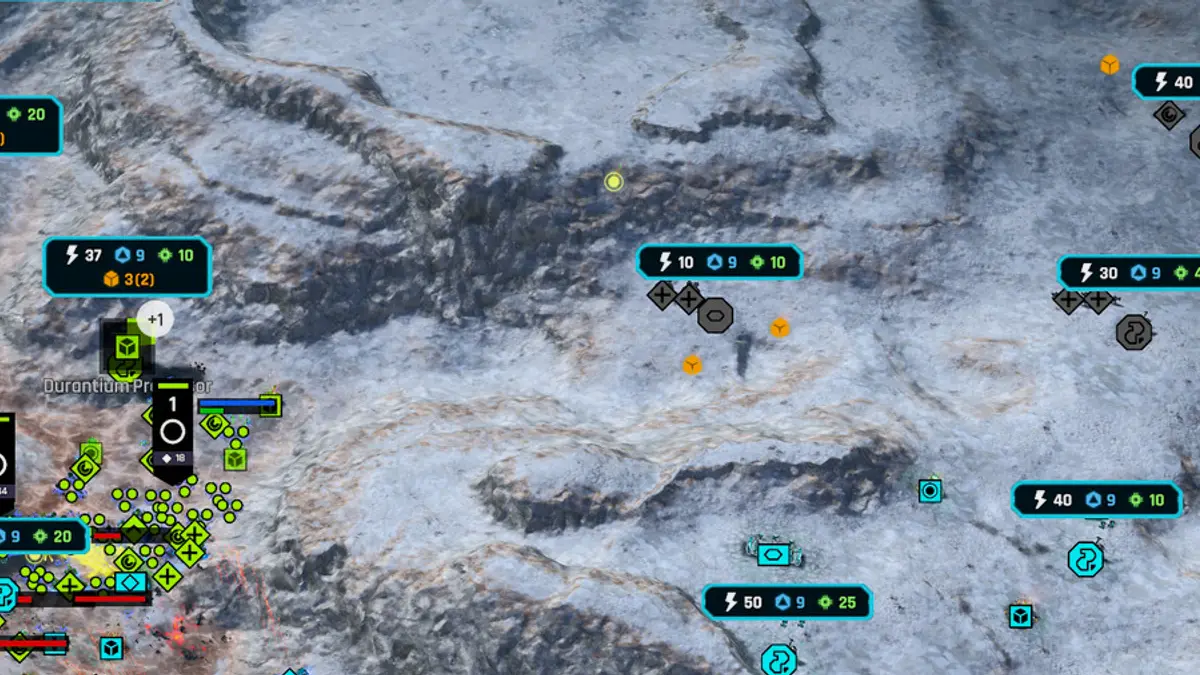
The launch maps of Ashes of the Singularity II, from the small snow map Twin Lakes to the canyon map Scorched Divide, and how each shape changes your build.
Ashes of the Singularity II Multiplayer Guide
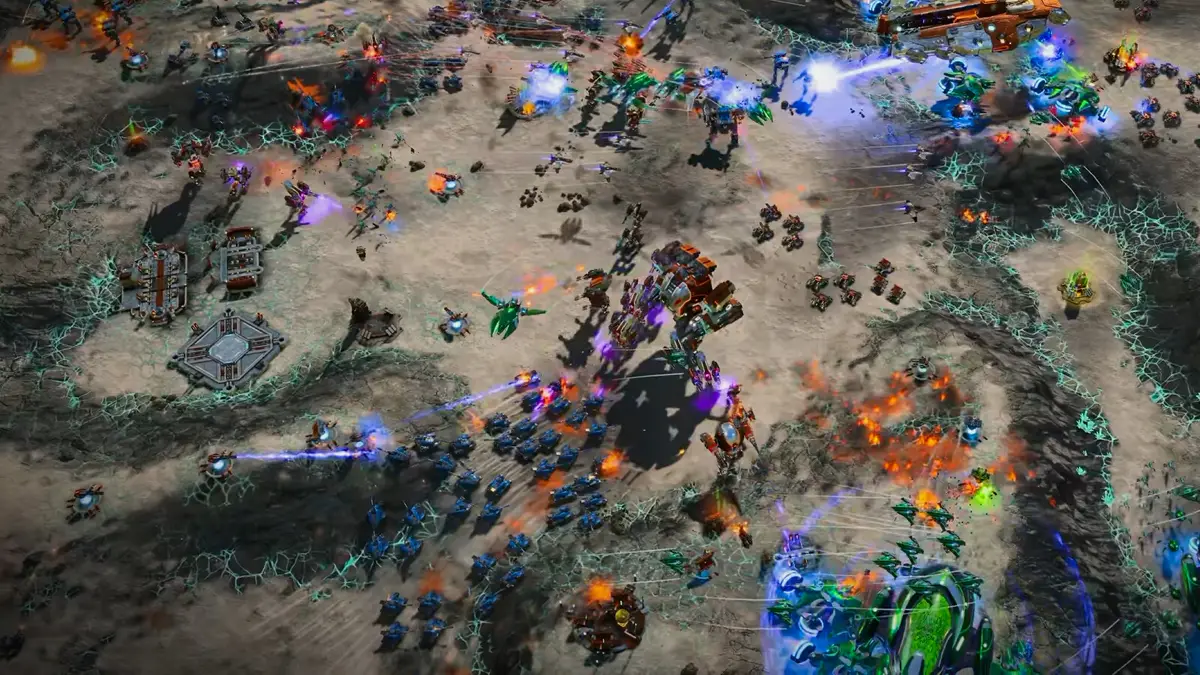
Multiplayer in Ashes of the Singularity II: army composition, scouting, team roles, the 100-unit army cap and the launch balance issues to know.
Ashes of the Singularity II Performance Guide
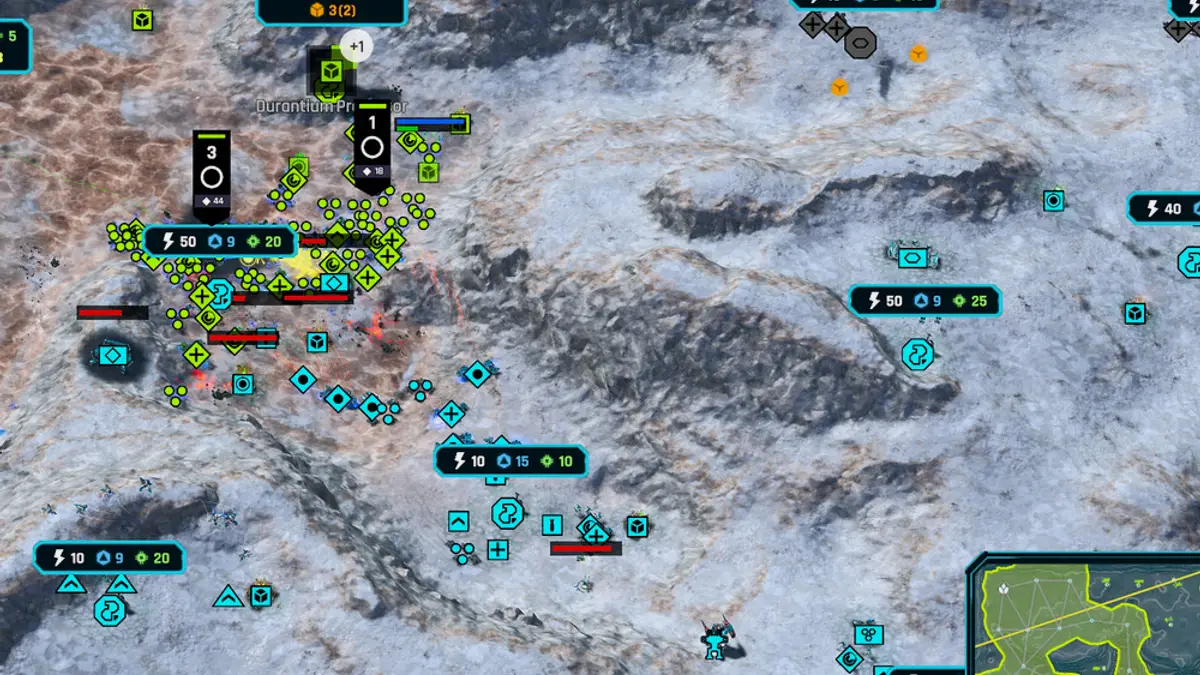
Why Ashes of the Singularity II drops frames in big battles, what the benchmarks show and the settings changes that actually help.